
Table of Contents
- Why West-Facing Windows Need Solar Screens
- How to Reduce Solar Heat Gain with Window Screens
- Energy Efficiency and Cooling Cost Reduction
- UV Protection and Preventing Furniture Fading
- Solar Screen Opacity Levels and Visibility Balance
- Installation and Maintaining Exterior Solar Screens
- DIY vs. Professional Installation for Your Home
- Conclusion
Last Updated: August 21, 2026
Why West-Facing Windows Need Solar Screens
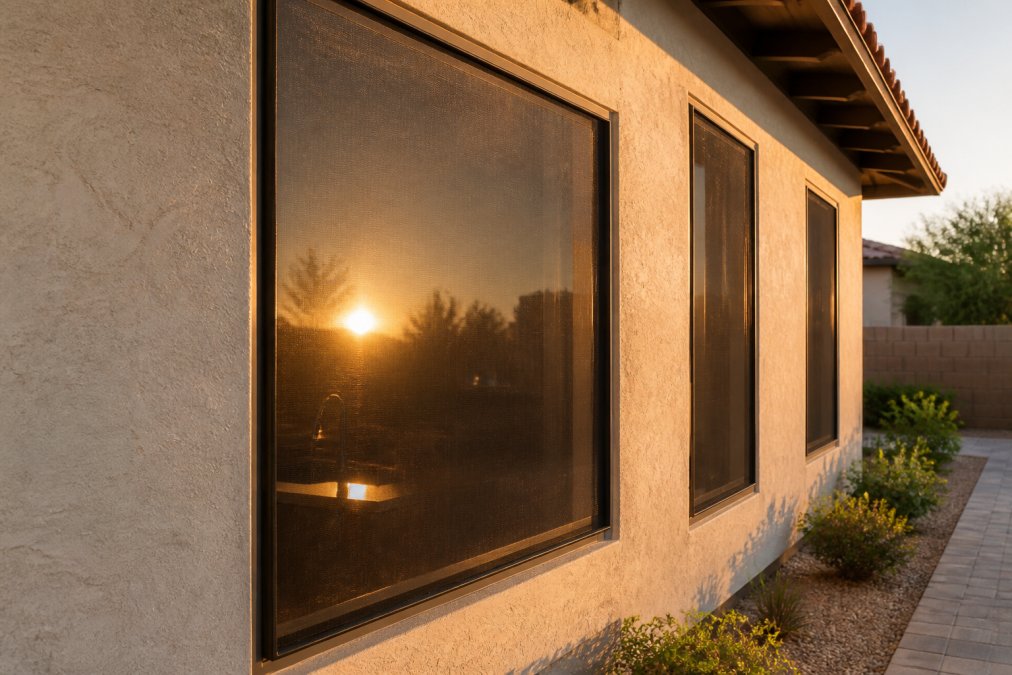
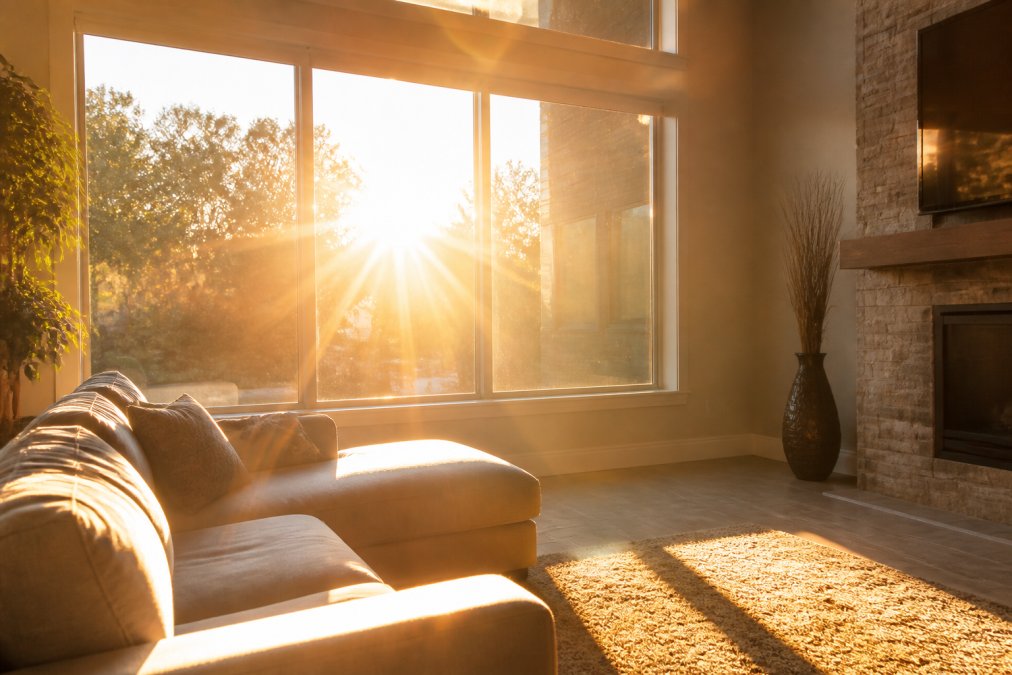
West-facing windows are the primary source of unwanted heat gain in most homes, especially during afternoon and evening hours when the sun’s intensity peaks. These windows receive direct sun exposure during the hottest part of the day, raising interior temperatures by 10-15 degrees Fahrenheit on hot days and forcing your air conditioning system to work harder (energy.gov). Solar screens provide a proven solution by blocking a significant portion of incoming solar radiation before it crosses the window glass.
A common mistake is assuming all window treatments work equally well. Curtains and blinds trap heat between the glass and fabric, reducing their effectiveness. Solar screens block heat on the exterior, preventing thermal buildup entirely. This fundamental difference explains why exterior solar screens deliver superior energy efficiency compared to interior-only solutions.
How to Reduce Solar Heat Gain with Window Screens
Solar screens function as a thermal barrier using specialized mesh material that reflects and absorbs solar radiation before it transfers through the window glass. The key to their effectiveness lies in the radiant barrier principle: blocking heat before it enters is exponentially more efficient than removing it after entry.
Exterior mounting is superior to interior placement because it blocks heat at the source. Interior screens still allow solar radiation to strike the glass, where it converts to heat. Exterior screens prevent this conversion from occurring in the first place.
Proper screen density balances heat reduction with visibility and natural light. A mid-range density, typically around 50-70% openness, provides optimal balance between cooling performance and maintaining a connection to the outdoors. High-quality solar screens use specially formulated fabrics that reflect infrared radiation while allowing some visible light transmission, reducing heat without plunging your interior into darkness.
Energy Efficiency and Cooling Cost Reduction
Energy efficiency improvements from solar screens manifest in reduced cooling load and lower HVAC runtime. When solar screens block incoming heat, your air conditioning system doesn’t need to work as hard to maintain comfortable temperatures, translating directly into reduced energy consumption and lower monthly utility bills.
The magnitude of savings depends on several factors: the size of your west-facing windows, your current cooling system efficiency, local utility rates, and how much sun exposure your windows receive. Homes with extensive west-facing glass and older air conditioning systems typically see the most dramatic improvements.
Beyond immediate cost savings, reduced cooling load extends the lifespan of your HVAC equipment. Air conditioning systems that run constantly at high capacity experience accelerated wear. By reducing the thermal burden, solar screens allow your system to cycle more moderately, reducing strain on compressors and other critical components (aceee.org).
Professional installation ensures maximum efficiency gains. Proper measurement and fitting eliminate gaps where unfiltered sunlight can enter. At SPARKLE TECH SUN SCREENS, our team takes precise measurements to ensure every installation maximizes your energy savings potential.
UV Protection and Preventing Furniture Fading
Ultraviolet radiation is the primary culprit behind furniture fading, carpet discoloration, and deterioration of fabrics and finishes. Solar screens block 99% of ultraviolet radiation, effectively halting the fading process for protected spaces (peer-reviewed research). By preventing this damage from starting, solar screens protect your interior investments indefinitely.
The financial benefit extends beyond emotional attachment to furnishings. Replacing faded or damaged furniture represents substantial expense. A quality sofa, area rug, or set of curtains costs hundreds or thousands of dollars. Protecting these investments with solar screens is a cost-effective preservation strategy that pays for itself many times over through extended material lifespan.
Glare reduction accompanies UV protection as a secondary benefit. Intense afternoon sun creates harsh glare that makes reading, watching television, and working at home difficult. Solar screens dramatically reduce this glare while maintaining visibility to the outdoors.
Solar Screen Opacity Levels and Visibility Balance
Solar screen opacity, more accurately described as openness factor, determines the balance between heat blocking and visibility. Openness factor is expressed as a percentage, representing the ratio of open mesh to total screen material. A 70% openness factor means 70% of the screen area is open mesh, while 30% is solid material that blocks solar radiation.
Higher openness factors (80-90%) provide excellent visibility and maximum natural light but block less solar heat. Lower openness factors (40-50%) maximize heat blocking but reduce visibility and darken interior spaces. Most homeowners choose mid-range options (60-70%) that provide meaningful cooling while preserving reasonable visibility and ambient light.
West-facing windows typically benefit from lower-to-mid openness factors because heat blocking is the primary goal. Professional guidance is invaluable here. At SPARKLE TECH SUN SCREENS, our team discusses your priorities and recommends appropriate opacity levels based on your window size, room function, and climate conditions.
Installation and Maintaining Exterior Solar Screens
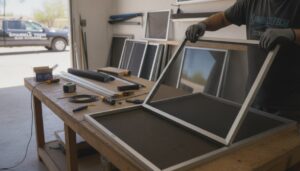
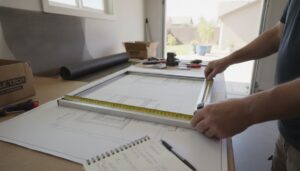
Professional installation ensures solar screens perform optimally and last for years without degradation. The process begins with precise measurement of each window opening. Custom screens are manufactured to exact specifications, ensuring a perfect fit that eliminates gaps where unfiltered sunlight could enter.
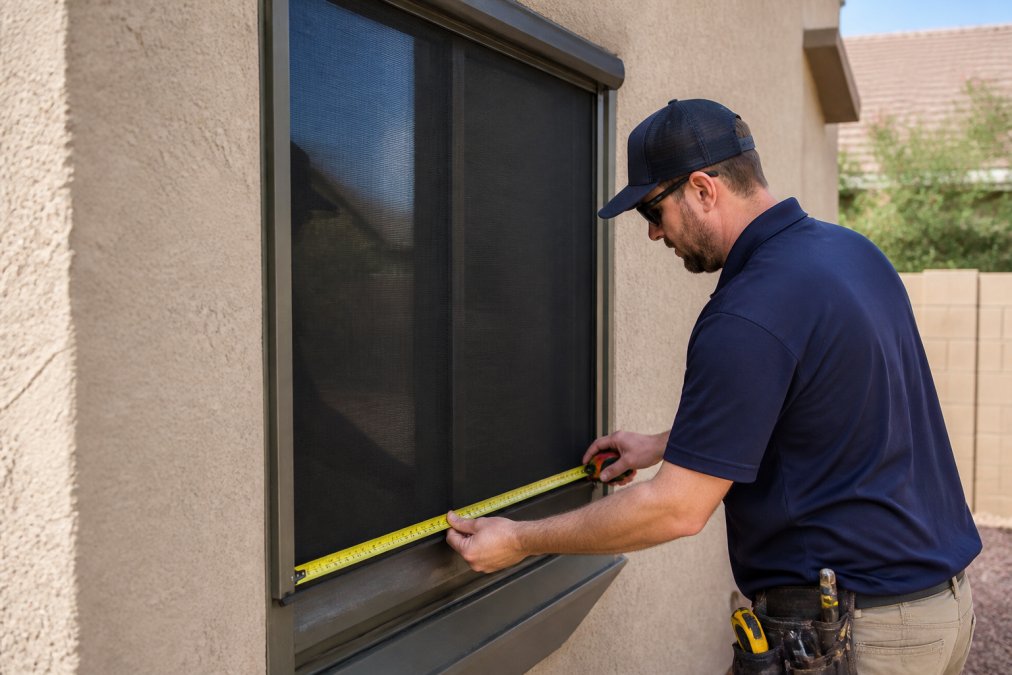
Exterior mounting requires secure fastening to withstand wind, dust storms, and extreme temperature fluctuations. Installation hardware must be corrosion-resistant and rated for your local climate. Most residential installations complete within a single day or two, depending on scope.
Maintenance requirements for solar screens are minimal but important. Regular cleaning removes accumulated dust and debris that can reduce light transmission and airflow. A soft brush or gentle spray from a garden hose typically suffices for routine cleaning. Avoid harsh chemicals or high-pressure washing, which can damage the mesh material.
Weather-resistant materials used in quality screens resist UV degradation, moisture damage, and temperature extremes. Premium materials maintain structural integrity for years, delivering consistent performance throughout their lifespan. Seasonal inspection helps identify any issues before they worsen, with most repairs simple enough for homeowners to handle.
DIY vs. Professional Installation for Your Home
The decision between DIY and professional installation hinges on your comfort level with home improvement projects, available time, and the complexity of your specific windows. DIY installation offers cost savings but requires accurate measurement, proper fastening, and understanding of structural requirements.
Pre-made screens for standard window sizes cost less than custom options but rarely fit perfectly. Gaps around edges allow unfiltered sunlight to enter, significantly reducing cooling effectiveness. Professional installation eliminates these concerns entirely, bringing precision measurement tools, specialized fastening hardware, and years of experience.
The warranty difference is significant. Professional installations typically include guarantees covering materials and workmanship. If problems arise, the installer returns to address them at no additional cost.
SPARKLE TECH SUN SCREENS offers same-week service and quick quotes, making professional installation convenient and accessible. Our team handles all measurement, manufacturing, and installation work, ensuring your screens are custom-fitted and properly secured. The lifetime guarantee on qualifying services provides peace of mind that your investment is protected long-term.
Conclusion
West-facing windows present a genuine challenge to home comfort and energy efficiency, but solar screens provide a proven, cost-effective solution. These exterior screens block solar radiation before it enters your home, reducing cooling costs, protecting furnishings from UV damage, and improving visual comfort through glare reduction.
SPARKLE TECH SUN SCREENS specializes in custom-fit solar screens manufactured from weather-resistant materials and installed with precision to maximize performance. Our team provides same-week service, takes exact measurements for perfect fit, and backs every installation with a lifetime guarantee on qualifying services. Get Your Free Quote today and discover how much you can save on cooling costs while protecting your home’s interior.
Frequently Asked Questions
Q: Are solar screens for windows worth it?
A: Solar screens deliver measurable benefits for west-facing windows, particularly in hot climates where afternoon sun drives cooling costs. They reduce solar heat gain by blocking ultraviolet radiation before it enters your home, lower your HVAC load, and protect furnishings from fading. The return on investment depends on your current cooling expenses and local sun intensity. Professional installation ensures the screens perform as designed and come with a lifetime guarantee on qualifying services, making them a durable long-term solution rather than a temporary fix.
Q: Will solar screens reduce my electric bill?
A: Yes, solar screens reduce cooling costs by decreasing the thermal load on your air conditioning system. West-facing windows receive the most intense afternoon sun, making them prime candidates for energy savings. The amount you save depends on your screen's openness factor, window size, local climate, and current energy usage. Homes in hot regions see more dramatic reductions because cooling represents a larger portion of total energy consumption. A professional assessment can help estimate your potential savings based on your specific situation.
Q: What is the difference between solar screen opacity levels?
A: Solar screen opacity levels, measured by openness factor, determine how much light and heat pass through. Higher openness factors (70-90%) allow more natural light and visibility but block less heat; lower openness factors (30-50%) maximize heat rejection and UV protection but reduce visibility and ambient light. West-facing windows typically benefit from mid-range openness factors (50-70%) that balance cooling efficiency with your need to see outside and maintain natural light. The right choice depends on your priorities: energy savings, privacy, or visibility.
Q: How do I maintain exterior solar screens?
A: Exterior solar screens require regular cleaning to maintain their heat deflection performance. Dust and debris reduce their ability to block solar radiation and can trap heat against the window. Clean them monthly with a soft brush or cloth and mild soap, or use a garden hose on low pressure. Inspect frames and mesh for damage from wind or weather, especially after storms. Professional installation includes guidance on maintenance, and weather-resistant materials are designed to withstand extreme sun, wind, and dust without degrading, ensuring long-term durability and effectiveness.
This article was written using GrandRanker