
Table of Contents
- What Drives the Cost of Custom Window Screens
- Window Screen Material Cost Breakdown
- How to Measure for Custom Window Screens
- DIY Custom Window Screens vs. Professional Installation
- Benefits of Custom Window Screens and Long-Term ROI
- Budgeting for Custom Window Screen Replacement
- Conclusion
Cost of Custom Window Screens: Pricing Guide & Factors
Last Updated: July 23, 2026
When homeowners research custom window screen costs, they quickly discover pricing varies dramatically based on materials, dimensions, and installation choices. Understanding what drives these costs helps you make informed decisions about your home’s comfort, curb appeal, and long-term durability. This guide from SPARKLE TECH SUN SCREENS walks you through every factor that influences pricing, so you can budget accurately and avoid surprises.
Custom window screen costs depend on custom sizing, mesh type, frame color, hardware options, and whether you handle installation yourself. Below, we’ll show you exactly how to evaluate these factors and find the right balance between budget and performance.
What Drives the Cost of Custom Window Screens
Several interconnected factors determine your total investment when ordering custom window screens. Pricing reflects the complexity of your order, the durability you’re choosing, and the labor involved.
Window dimensions and custom sizing
Custom sizing is where most of your cost variability comes from. Standard off-the-shelf screen dimensions rarely fit perfectly, which is why custom sizing exists. When you order screens made to your exact measurements, you’re paying for precision manufacturing rather than mass production.
Larger windows cost more than smaller ones because they require more material and frame length. A 24-by-36-inch window screen uses significantly less aluminum frame and mesh than a 48-by-60-inch opening. The relationship isn’t perfectly linear, doubling dimensions doesn’t exactly double the cost, because frame hardware and spline scale differently than mesh material.
Unusual window shapes drive costs upward substantially. Standard rectangular windows fit into established production workflows. Arched windows, triangular transoms, or unusually narrow sliders require custom frame bending or special manufacturing steps, often carrying a 20-40% premium above standard rectangular pricing.
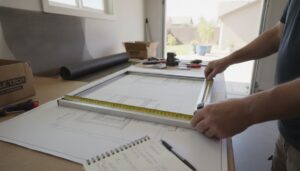
Before ordering, measure your windows at three points: top, middle, and bottom. Windows often aren’t perfectly square, and manufacturers use the smallest measurement to ensure proper fit. [Accurate measurements](/how-to-measure-windows-for-screens/) prevent costly remakes.
Screen mesh type and material selection
Fiberglass mesh, the industry standard, is affordable and adequate for most homeowners. Aluminum mesh costs more but offers superior durability in harsh climates. Arizona’s intense sun, dust, and temperature swings make aluminum a popular choice for premium installations.
Solar screens and pet-resistant options command higher prices because they serve specialized functions. Solar screens use tighter, darker mesh that blocks UV radiation and reduces heat transmission. Pet-resistant mesh uses heavier-gauge fiberglass or vinyl-coated material that resists punctures from claws. Both add 30-60% to baseline mesh costs.
Frame color and hardware options represent smaller but meaningful cost increases. Standard black aluminum frames are the baseline. Powder-coated finishes in bronze, white, or custom colors add 10-20% to frame costs. Stainless steel hardware instead of standard galvanized fasteners adds durability in coastal or humid climates.
Window Screen Material Cost Breakdown
Understanding what each material component costs helps you prioritize your budget. The total breaks down into three main areas: mesh, frame, and hardware.
Fiberglass mesh vs. aluminum frame options
Fiberglass mesh is the most economical choice and works well for most residential applications. It’s lightweight, easy to install, and provides adequate insect protection. The downside: fiberglass degrades under intense UV exposure and can tear if brushed during cleaning.
Aluminum mesh costs 40-60% more than fiberglass but lasts significantly longer in harsh sun and won’t degrade from UV exposure. Aluminum mesh is heavier and slightly more difficult to install, but the durability advantage justifies the cost in high-heat regions like Phoenix and Scottsdale. At SPARKLE TECH SUN SCREENS, we recommend aluminum mesh for customers planning to keep screens for 10+ years.
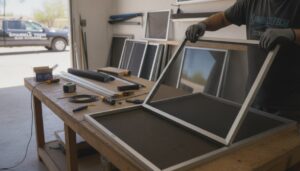
Aluminum frames are standard because they’re lightweight, corrosion-resistant, and affordable to manufacture. Thicker aluminum (typically 1.5 inches) costs more than thinner frames (1.25 inches) but provides better rigidity and longer lifespan.
Powder-coated frames offer superior UV protection and aesthetic appeal compared to bare aluminum. The coating process adds manufacturing time and materials, increasing costs by roughly 15-25% depending on color and finish quality.
For Arizona climates, aluminum mesh in a powder-coated frame delivers the best balance of durability and value. Fiberglass works fine if you plan to replace screens every 5-7 years.
Solar screens and pet-resistant alternatives
Solar screens use a tighter, darker mesh (often 80% opacity or higher) that blocks sunlight while maintaining visibility. The manufacturing process is more complex than standard mesh, resulting in a 35-50% premium over basic fiberglass screens.
Pet-resistant screens use vinyl-coated polyester or heavy-gauge fiberglass that withstands scratching and impact from pet claws. The coating process and material durability requirements increase costs by 30-45% compared to standard mesh. Pet-resistant screens are particularly popular among households with dogs or cats near windows.
Choose specialty options only if your specific need, solar heat reduction or pet protection, directly addresses your primary concern. Selecting a solar screen when you mainly need pet resistance means paying for unused features.
How to Measure for Custom Window Screens
Accurate measurements are the foundation of proper-fitting custom window screens. Incorrect dimensions result in screens that don’t fit securely, allowing insects and debris to bypass the mesh.
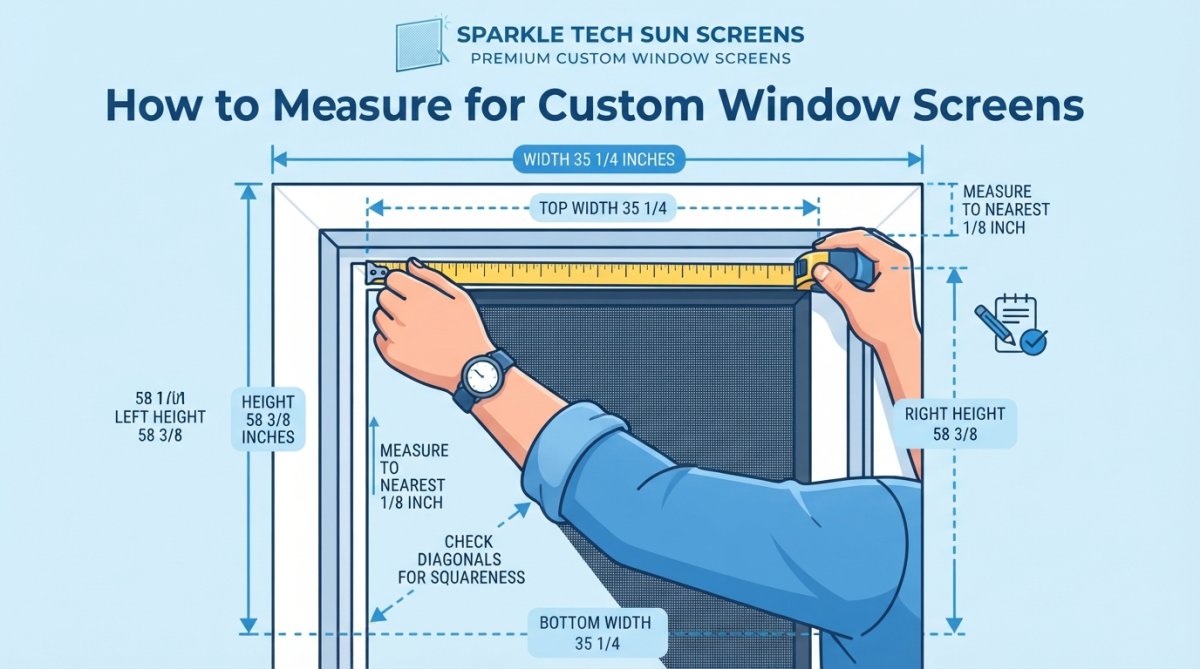
Measure the width at the top, middle, and bottom of the window opening. Windows often settle unevenly, and measurements may differ slightly at each height. Use the smallest width measurement when ordering to ensure snug fit.
Measure the height at the left side, center, and right side of the window. Again, use the smallest measurement. The spline tension system compensates for minor variations, but measurements should be as accurate as possible.
For sliding windows, measure the opening where the screen will sit, not the glass itself. Measure the frame opening where the screen hardware will attach. This distinction is critical because screen frames need clearance to slide smoothly.
A common mistake is measuring the outside dimensions of the window frame instead of the interior opening. The interior opening is where your screen will sit. Taking measurements from the outside leads to screens that are too large and won’t fit properly.
Write down your measurements and double-check them before placing your order. Many manufacturers offer free quotes based on your dimensions and provide remeasurement services if you’re uncertain.
DIY Custom Window Screens vs. Professional Installation
The decision between building screens yourself and hiring professionals significantly affects your total cost. Each approach has distinct advantages depending on your skill level, time availability, and project complexity.
Labor costs and installation service pricing
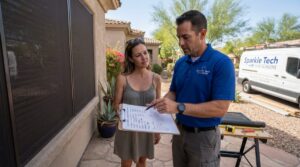
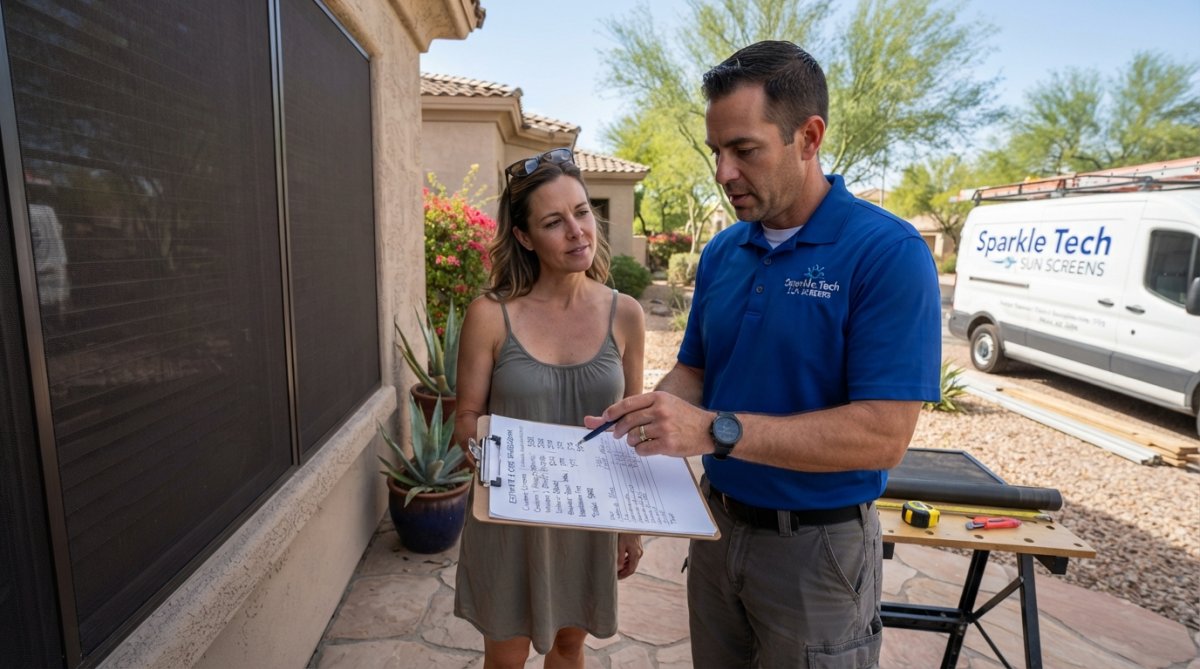
Professional installation adds labor costs but eliminates the risk of measurement errors, improper assembly, and installation mistakes. When you hire SPARKLE TECH SUN SCREENS, you receive custom measurements, quality-controlled manufacturing, and expert installation backed by a warranty.
DIY installation saves labor costs entirely, but only if you have the skills to measure accurately, assemble screens correctly, and install them without damage. A single measurement error or improper spline installation means redoing the entire screen, potentially costing more in wasted materials than professional labor would have cost upfront.
Installation typically takes 30-60 minutes per window for a professional, depending on window type and accessibility. Complex installations take longer. If you’re handling installation yourself, budget 1-2 hours per window.
DIY screen assembly often results in loose mesh or improper spline tension. Screens that aren’t tight allow insects to slip past the mesh. Professional installation ensures screens are built to specification.
Professional labor advantages and timeline
Professional installers bring experience that prevents costly mistakes. They recognize unusual window shapes, understand how to accommodate settling frames, and know which materials work best for your climate. Their expertise translates into screens that fit perfectly and last longer.
Professional services typically offer same-week turnaround. You provide measurements (or they measure for you), and screens arrive ready to install or already installed. This speed matters if you’re dealing with seasonal issues like spring insect season or summer heat.
Warranty coverage is a significant advantage of professional installation. SPARKLE TECH SUN SCREENS offers a lifetime guarantee on qualifying services, meaning if something fails prematurely, you’re covered for replacement or repair. DIY screens have no warranty protection.
Professional installation also handles disposal of old screens, saving you time and effort.
Benefits of Custom Window Screens and Long-Term ROI
Custom window screens deliver benefits beyond insect protection. Understanding the long-term value helps justify the upfront investment.
Maintenance, longevity, and durability advantages
Quality custom screens last 7-15 years depending on material choice and climate stress. Fiberglass screens in moderate climates may last 7-10 years, while aluminum mesh in harsh Arizona sun can last 12-15 years. This lifespan makes the annual cost per window relatively modest when divided across years of use.
Maintenance is minimal for quality screens. Annual cleaning with a soft brush and mild soap keeps screens functioning properly. Unlike air conditioning systems or major home upgrades, screens don’t require professional maintenance or seasonal servicing.
Durability directly correlates with material choice. Aluminum mesh and powder-coated frames withstand Arizona’s temperature extremes, intense UV radiation, and dust storms better than fiberglass. Choosing durable materials upfront means fewer replacements over time.
Custom screens also protect your windows and interior furnishings from dust and debris. Arizona’s dust storms deposit fine particles that damage window seals and accumulate on interior surfaces. Screens act as a first-line filter, reducing cleaning frequency and protecting your home’s interior.
Regional pricing variance and climate considerations
Pricing varies by region based on material costs, labor availability, and climate-specific material preferences. Arizona markets, where SPARKLE TECH SUN SCREENS operates, favor durable aluminum mesh and solar screens because of intense sun and heat. These specialty materials cost more than basic fiberglass options, reflecting regional demand for enhanced performance.
Coastal regions prioritize corrosion-resistant materials, increasing costs compared to inland markets. High-humidity climates require different mesh densities and frame treatments than dry climates. Your location’s specific environmental stressors influence which materials make economic sense.
Climate affects how long screens last before replacement becomes necessary. Harsh climates accelerate material degradation, meaning screens that last 15 years in a moderate climate might last only 10 years in Arizona. Factor in your region’s climate impact on durability when calculating long-term cost.
Budgeting for Custom Window Screen Replacement
Creating a realistic budget requires understanding typical costs and what factors drive variation within your specific situation.
| Factor | Impact on Cost | Notes |
|---|---|---|
| Window size | Large (primary driver) | Larger dimensions = more material and frame length |
| Mesh type | Medium (30-60% variation) | Fiberglass baseline; aluminum/solar/pet-resistant cost more |
| Frame color | Small (10-20% variation) | Standard black baseline; custom colors cost more |
| Quantity | Large (volume discount) | Single screen vs. 10+ screens; bulk orders reduce per-unit cost |
| Installation | Large (varies by service) | DIY saves labor; professional adds 20-40% to material cost |
| Specialty features | Medium (varies) | Solar heat reduction or pet resistance adds 30-50% |
Price per window varies based on size and materials, but a reasonable starting point is to assume custom screens cost between $75 and $200 per window for materials alone. Professional installation adds labor costs on top of materials. Volume discounts apply when ordering multiple screens, a 10-window project typically costs less per unit than a single-window order.
Disposal costs for old screens are minimal. Most recycling facilities accept aluminum frames, and mesh material can often go in standard waste. Some professional services include disposal in their quoted price; others charge a small fee per screen removed.
Timing your purchase can influence costs. Seasonal demand peaks in spring (before insect season) and early summer (before peak heat). Ordering during off-season months sometimes results in faster turnaround or promotional pricing, though material costs themselves don’t fluctuate dramatically.
Homeowners planning to stay in their home for 5+ years benefit most from investing in durable custom screens. The annual cost per window becomes very reasonable when amortized across a decade of use.
Conclusion
The cost of custom window screens reflects the quality, durability, and customization you’re choosing. Rather than viewing it as a simple expense, consider it an investment in your home’s comfort, protection, and long-term value. Accurate measurements, material choices aligned with your climate, and professional installation all contribute to screens that perform reliably for years.
When you’re ready to move forward, SPARKLE TECH SUN SCREENS provides expert custom measurements, durable weather-resistant materials built for Arizona’s extreme sun and dust, and same-week service with a lifetime guarantee on qualifying installations. Get your free quote today and experience the difference professional screen solutions make for your home’s comfort and curb appeal.
According to the Arizona Department of Environmental Quality, window screens reduce solar heat gain and improve indoor air quality during cooler months. Research from the National Fenestration Rating Council confirms that properly installed screens contribute to overall window system performance. Additionally, consumer home improvement guides from the U.S. Department of Energy recommend quality window screens as a cost-effective way to manage indoor climate and reduce reliance on cooling systems during peak seasons.
Frequently Asked Questions
How much does it cost to replace a custom window screen?
The cost of custom window screens varies based on window dimensions, mesh type, frame color, and whether you choose professional installation. Pricing depends on quantity, dates, and delivery. Visit SPARKLE TECH SUN SCREENS's website or request a free quote to get accurate pricing for your specific needs. Our team provides same-day quotes and can often complete installations within the same week.
What factors influence the price of custom window screens the most?
Key pricing factors include custom sizing relative to standard sizes, screen mesh type (fiberglass vs. specialty materials like solar or pet-resistant options), aluminum frame color choices, and whether you need professional installation versus DIY. Regional pricing variance also affects costs, particularly in areas with extreme climates. Made-to-order screens typically cost more than standard sizes but provide superior fit and durability for odd-sized windows.
Is it cheaper to DIY custom window screens or hire a professional?
DIY installation saves on labor costs but requires accurate measurements, proper tools, and understanding screen spline tension and hardware installation. Professional installation ensures perfect fit, proper spring tension, and correct frame alignment, critical for durability in harsh climates. For custom-sized screens, professional measurement and installation often prevent costly mistakes. Consider your skill level and time investment when budgeting for home repairs.
What are the benefits of custom window screens compared to standard sizes?
Custom window screens provide superior fit for non-standard window dimensions, improved durability through proper frame tension, and the ability to select specialized mesh types like solar screens for UV protection or pet-resistant screens for households with pets. Custom sizing ensures screens stay tight and functional longer, reducing maintenance needs. Benefits include enhanced curb appeal, improved airflow control, and long-term performance advantages that justify the initial investment.
This article was written using GrandRanker