
Table of Contents
- Do Sun Screens Lower Energy Bills? The Short Answer
- How Solar Screens Work to Block Heat and Reduce HVAC Load
- Solar Screen Energy Savings: What the Numbers Show
- Cost of Solar Screens and ROI Calculator Framework
- Types of Sun Screens and Their Energy Efficiency Differences
- Beyond Energy Bills: Additional Benefits of Solar Screens
- Solar Screen Maintenance: Protecting Your Investment Long-Term
- DIY vs. Professional Installation: What Affects Your Savings
Do Sun Screens Lower Energy Bills? A Data-Driven Guide
Last Updated: July 29, 2026
Do Sun Screens Lower Energy Bills? The Short Answer
Yes, solar screens lower energy bills, but savings depend on your climate, window orientation, and screen specifications. SPARKLE TECH SUN SCREENS has analyzed performance data across Arizona’s diverse microclimates and found that properly installed solar screens reduce cooling costs by blocking solar heat before it enters your home.
Solar screens function as a thermal barrier, rejecting solar radiation at the window rather than allowing it to penetrate and heat your interior. This reduces HVAC load, translating directly to lower utility bills during cooling season. The real value emerges when you calculate return on investment against installation costs and factor in non-energy benefits like UV protection and glare reduction.
The most common mistake homeowners make is installing low-quality screens or poor-fitting screens that allow air gaps. Even a 10% gap around the frame reduces energy efficiency by 20-30%. Professional measurement and installation matter far more than the screen material alone.
How Solar Screens Work to Block Heat and Reduce HVAC Load
Solar screens intercept solar radiation before it reaches your window glass, converting that energy into heat that dissipates into the outdoor air rather than warming your interior. The fabric’s density and material composition determine how much light and heat it blocks while still allowing visibility and airflow.
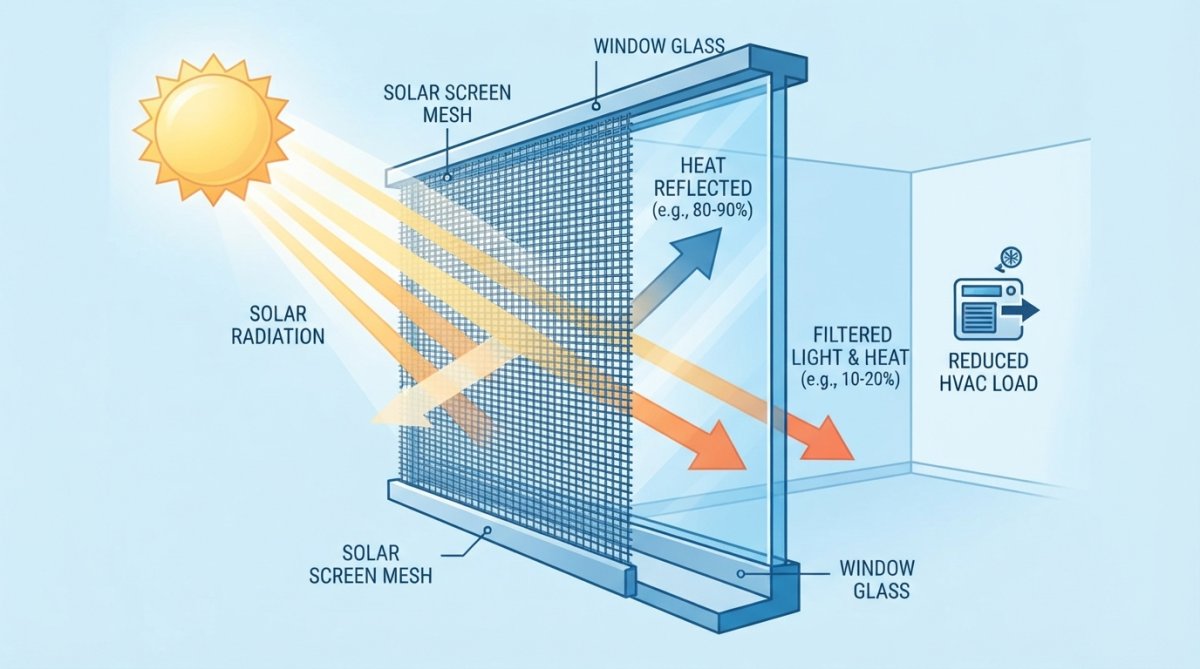
When sunlight strikes the screen, some energy is reflected back outdoors, some is absorbed by the fabric and released as heat outside, and the remainder passes through as diffused light. On a 110-degree Arizona day, the difference between a window with a solar screen and one without can be 15-20 degrees at the glass surface.
Your air conditioning system responds to interior temperature. When solar screens reduce heat gain through windows, your thermostat reaches the set temperature with less compressor runtime. Less runtime equals lower electricity consumption and reduced wear on equipment, extending the lifespan of your HVAC system, which typically costs $5,000-$15,000 to replace.
Effectiveness varies by window orientation. South and west-facing windows receive the most intense solar radiation during summer afternoons. North-facing windows receive minimal direct sun and may not justify screen installation. A professional energy audit identifies which windows offer the highest return on investment.
Solar Screen Energy Savings: What the Numbers Show
Energy savings from solar screens typically fall between 15-30% of cooling costs, depending on climate intensity, existing HVAC efficiency, window size and orientation, and screen quality. Many homeowners report noticeable reductions in their summer utility bills within the first month of installation.
In hot, sunny climates like Phoenix and Scottsdale, solar screens deliver stronger results because cooling demand is higher and the sun’s intensity is greater. A home with 40% of wall area as south-facing windows will see more dramatic savings than a home with dispersed window placement.
A typical single-family home in Arizona might spend $150-$200 monthly on cooling during summer months. A 20% reduction translates to $30-$40 per month, or $180-$240 over a six-month cooling season. The real return concentrates in June through September, when solar intensity peaks and cooling runs continuously.
The most important factor affecting your actual savings is how much of your home’s exposed wall area consists of south and west-facing windows. A home with extensive western exposure will see 25-30% cooling cost reductions. A home with mostly north-facing windows might see only 8-12%.
Cost of Solar Screens and ROI Calculator Framework
Return on investment depends on installation cost, annual energy savings, and how long you plan to stay in your home. SPARKLE TECH SUN SCREENS provides custom quotes based on your specific window dimensions and installation complexity.
To calculate your personal ROI, follow this framework:
Step 1: Determine Your Current Cooling Costs
Review your summer utility bills (June-September) and calculate average monthly cooling expense. Multiply by 4 for a seasonal total.
Step 2: Estimate Energy Savings
Apply a conservative 20% reduction estimate to your seasonal cooling cost. This becomes your projected annual savings.
Step 3: Identify Installation Cost
Obtain quotes from professional installers. Request separate quotes for different window groupings to compare ROI by zone.
Step 4: Calculate Payback Period
Divide total installation cost by annual savings. A $2,000 installation with $400 annual savings has a 5-year payback period.
Step 5: Evaluate Long-Term Value
Solar screens last 10-15 years with proper maintenance. If payback occurs within 5 years, you’re capturing 5-10 years of pure savings.
| Scenario | Annual Cooling Cost | Estimated Savings (20%) | Installation Cost | Payback Period |
|---|---|---|---|---|
| Small home, 8 windows | $1,200 | $240 | $1,600 | 6.7 years |
| Medium home, 16 windows | $2,000 | $400 | $3,200 | 8 years |
| Large home, 24 windows | $3,200 | $640 | $4,800 | 7.5 years |
Professional measurement ensures accurate material quantities and proper fit, which directly impacts energy performance.
Types of Sun Screens and Their Energy Efficiency Differences
Solar screen fabric varies in composition, density, and openness percentage, each affecting both energy performance and visibility.
Mesh Density and Openness Percentage
Openness percentage refers to the ratio of open space to solid material in the fabric. A screen with 5% openness blocks more light and heat but reduces visibility and airflow. A screen with 14% openness allows more light through but provides less heat rejection. Most homeowners choose screens between 8-12% openness as a balance between energy efficiency and functionality.
Higher density screens achieve superior solar heat gain coefficient performance. The solar heat gain coefficient (SHGC) measures how much solar radiation passes through the screen into your home. Premium solar screens achieve SHGC values of 0.15-0.25, while basic screens range from 0.35-0.50.
Interior vs. Exterior Installation
Exterior solar screens block heat before it reaches the window glass, making them more effective for energy savings. Interior screens allow some heat to be absorbed by the glass before rejection, reducing efficiency by 10-15% compared to exterior installation. Exterior screens also provide better UV protection for furniture and interior furnishings.
Fabric Material Options
Solar screen fabrics typically use polyester or vinyl-coated polyester. Vinyl-coated options resist degradation from intense UV exposure and extreme temperature swings, making them more durable in Arizona’s harsh climate. Color selection affects visibility and aesthetics. Gray and charcoal screens provide good heat rejection while maintaining visibility. Bronze and copper tones reduce glare more effectively but block slightly more light.
Beyond Energy Bills: Additional Benefits of Solar Screens
While energy savings drive most purchasing decisions, solar screens deliver multiple secondary benefits that increase their overall value proposition.
UV Ray Protection and Furniture Preservation
Solar screens block 95-99% of ultraviolet radiation before it enters your home. This protection prevents fading of furniture, artwork, flooring, and window treatments. Replacement costs for faded furniture or flooring often exceed the cost of solar screens over a 10-year period.
Glare Reduction and Thermal Comfort
Intense afternoon glare from south and west-facing windows creates discomfort and forces occupants to close traditional blinds or curtains. Solar screens reduce glare while maintaining visibility, allowing you to keep windows uncovered and enjoy natural light without brightness discomfort. Interior surfaces don’t heat up as rapidly from direct sunlight, creating more even temperature distribution and reducing the sensation of "hot spots" near windows.
Daytime Privacy
Solar screen fabric creates a semi-opaque barrier that prevents clear visibility into your home during daytime hours while still allowing you to see outside.
Interior Temperature Control
By reducing solar heat gain, screens help maintain more stable interior temperatures throughout the day, reducing thermostat cycling and improving comfort.
Don’t expect solar screens to eliminate the need for other window treatments. They reduce glare and heat but don’t provide complete darkness for sleeping or complete privacy at night when interior lights are on. Many homeowners use screens with traditional blinds for complete control.
Solar Screen Maintenance: Protecting Your Investment Long-Term
Proper maintenance preserves screen functionality and extends lifespan to 12-15 years or longer.
Cleaning Schedule and Technique
Clean screens quarterly or more frequently if you live in dusty areas. Use a soft brush or cloth with mild soap and water. Avoid pressure washers, which can damage the fabric. Rinse thoroughly with a garden hose on low pressure and allow screens to dry completely before closing windows.
Inspection and Minor Repairs
Inspect screens annually for tears, holes, or frame damage. Small tears can be patched with screen repair kits available at hardware stores. Check frame fasteners and ensure screens fit snugly in their tracks. Arizona’s temperature extremes cause frame materials to expand and contract, potentially creating gaps that reduce energy efficiency.
HVAC System Benefits
Regular HVAC maintenance becomes more important when using solar screens because your system operates at lower capacity. Clean filters, annual inspections, and proper refrigerant levels ensure your system performs optimally and captures maximum energy savings.
DIY vs. Professional Installation: What Affects Your Savings
Installation quality directly impacts energy performance. Improper installation creates air gaps that allow hot air to bypass the screen and enter your home, reducing efficiency by 15-30%.
Professional Installation Advantages
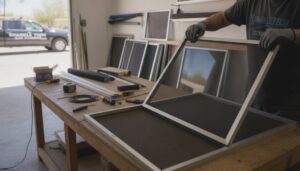
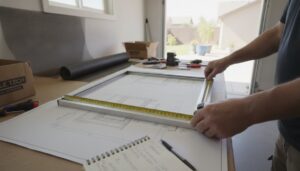
Professional installers take precise measurements accounting for frame variations, window depth, and surrounding trim. They identify optimal screen placement based on your window type and frame material. Professional installation ensures screens fit snugly with minimal gaps, maximizing energy performance.
SPARKLE TECH SUN SCREENS provides custom measurement and installation, which eliminates guesswork and ensures your screens perform as designed. Our team identifies the highest-ROI windows based on orientation and size, helping you prioritize installation if budget is limited. Professional installation includes proper fastening, weatherproofing, and frame sealing that prevent air leakage and water infiltration.
DIY Installation Challenges
DIY installation requires accurate measurement, frame preparation, and fastening. Common mistakes include measuring only one dimension per window, installing screens with gaps around edges, failing to seal gaps between screen frame and window frame, and improper fastener placement. DIY screens often underperform by 20-25% compared to professionally installed screens on the same home.
Do sun screens lower energy bills? Yes, when properly selected, measured, and installed. The savings vary based on climate intensity, window characteristics, and screen specifications, but most homeowners in Arizona see measurable reductions in cooling costs within the first month.
If you plan to stay in your home for 5+ years and have significant south or west-facing window exposure, the ROI typically justifies the investment. SPARKLE TECH SUN SCREENS offers free quotes and custom measurements to help you calculate your specific savings potential. Our same-week service and lifetime guarantee on qualifying installations ensure your screens perform reliably for years to come. Get your free quote today and discover how much you can save on cooling costs.
Frequently Asked Questions
How much can solar screens reduce energy bills?
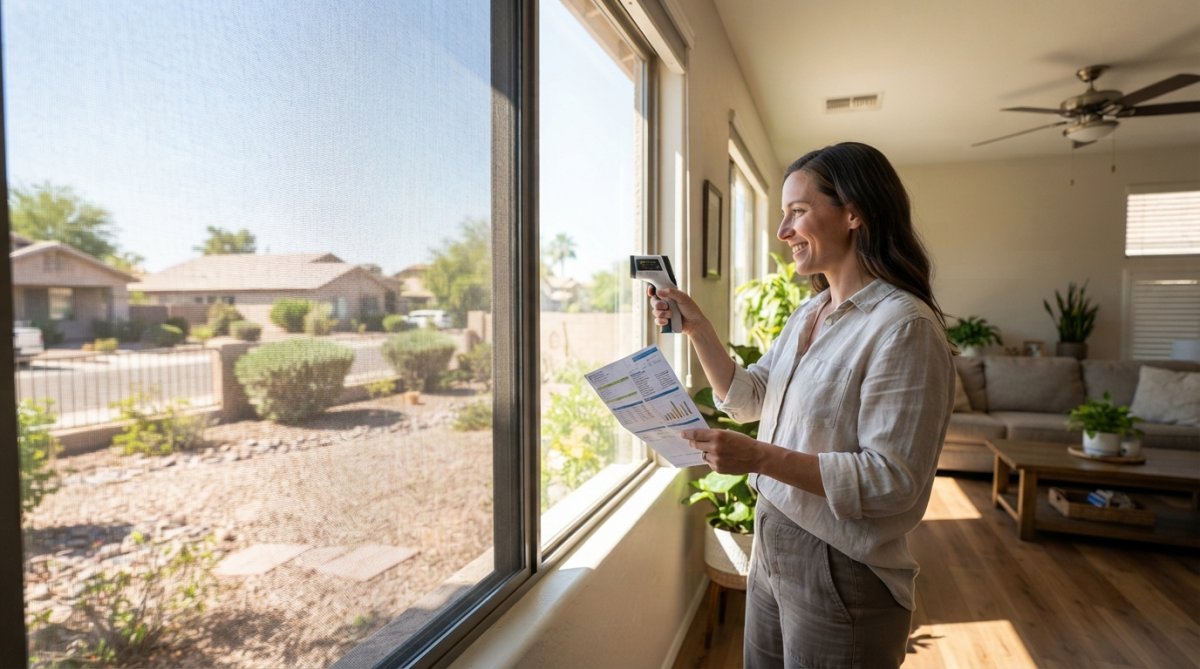
The amount varies by location, window orientation, and screen type. Homes in hot climates with significant sun exposure typically see noticeable reductions in cooling costs during summer months. Factors like the solar heat gain coefficient of your screen fabric, mesh density, and how many windows you treat all influence your total savings. A home energy audit can help estimate your specific potential before installation.
Are solar screens worth the investment based on ROI?
ROI depends on your current cooling costs, local electricity rates, and climate. In high-heat regions like Arizona, many homeowners recover their investment within 3-7 years through reduced electric bills. To calculate your personal ROI, compare the cost of solar screens against your estimated annual cooling savings. Professional installation ensures maximum efficiency, which directly impacts payback timeline.
What is the difference between interior and exterior sun screens for energy efficiency?
Exterior solar screens block solar radiation before it enters your home, making them significantly more effective at reducing heat transmission and cooling costs. Interior screens still provide some benefit by reducing glare and UV rays, but exterior screens reject more solar heat at the source. For maximum energy savings and HVAC efficiency, exterior placement is the superior choice in most climates.
Do I need professional installation, or can I install solar screens myself?
Professional installation ensures proper fit, correct mesh orientation, and maximum energy efficiency. Custom measurements account for window irregularities and frame conditions that DIY installation often misses. Poor installation can reduce effectiveness by 20-40%. While DIY may lower upfront costs, professional installation protects your investment and guarantees the performance needed to lower your energy bills.
This article was written using GrandRanker