

Every summer, the same frustrating cycle repeats itself. The sun beats through your windows, your air conditioner works overtime, and your energy bills climb higher than you ever planned for. The good news is that the right window treatment can make a real difference, and two of the most popular options are solar window shades and solar screens.
But which one actually does a better job of blocking heat? If you have been searching for a clear, honest answer, you are in the right place. Both products are designed to reduce solar heat gain, but they work in different ways and perform better in different situations.
In this guide, we will break down exactly how solar window shades and solar screens compare when it comes to heat blocking, light control, visibility, and overall value. By the end, you will have a straightforward understanding of which option fits your home, your budget, and your comfort goals. No complicated jargon, no confusing technical specs, just the clear comparison you need to make a confident decision.
What Are Solar Window Shades?
When most people search “solar window shades,” what they find are interior fabric roller products sold by national retailers. These are woven fabric shades that mount inside your window frame and roll up or down to manage incoming sunlight. They are not window films, exterior screen panels, or photovoltaic technology. Understanding exactly what you are looking at matters, because the product category is often misunderstood.
Interior solar shades work by filtering or diffusing light after it has already passed through the glass. Once sunlight crosses the window pane and enters your room, the shade fabric intercepts it, reducing visible glare and providing daytime privacy without fully blocking your view. This makes them a practical solution for living rooms, offices, and any space where harsh afternoon sun creates discomfort.
The single most important specification to understand is openness factor (OF), expressed as a percentage. According to Blinds Chalet’s solar shade openness guide, a 3% openness factor means a tighter weave that blocks more light and UV rays but reduces how clearly you can see outside. A 10% openness factor creates a more transparent shade that preserves your view while offering lighter glare control. As Texstyle explains, color also plays a role independently; darker fabrics actually improve view-through clarity, while lighter colors reflect more thermal energy back out of the room.
One critical limitation beginners often overlook: because interior solar shades sit on the inside of the glass, solar heat gain enters the room first before the shade can act on it. The fabric manages the light after the fact rather than stopping heat at the source.
The market for these products is expanding rapidly. The smart window shade segment, which includes motorized solar shades with app control and voice assistant integration, is projected to grow at a 13.4% CAGR from 2026 to 2033, reflecting strong consumer demand for automated sun management solutions.
What Are Exterior Solar Screens?
Exterior solar screens are woven mesh panels mounted on the outside of your window frame, positioned to intercept sunlight before it ever makes contact with the glass. This placement is the critical distinction from interior products. Because the mesh sits on the exterior surface, it stops solar radiation at the source rather than allowing heat to pass through the glass, warm your window, and then radiate inward. The U.S. Department of Energy recognizes exterior shading as the most effective method for reducing solar heat gain, precisely because of this mechanism.
This exterior placement produces measurable results in the numbers that matter. Interior shade installations typically achieve shading coefficients (SC) of 0.50 to 0.70, while exterior solar screens drop that figure to between 0.14 and 0.33. A lower SC means less thermal energy entering your living space, which translates directly to lighter demand on your air conditioning system during peak summer months.
Performance varies based on three variables: mesh density, fabric color, and openness factor. Typical solar screens block between 65% and 90% of solar heat, with tighter weaves and darker colors reaching the higher end of that range. Darker fabrics absorb more solar energy within the screen material itself before it can travel further, and they also tend to preserve outward visibility better than lighter colors, which reflect glare back toward the viewer.
A practical bonus sets exterior solar screens apart from every interior alternative: they function as insect screens simultaneously. Open windows can let in airflow, breezes, and fresh air while the screen blocks bugs, debris, and airborne pollen. Interior roller shades provide none of that dual-function benefit.
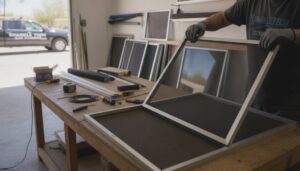
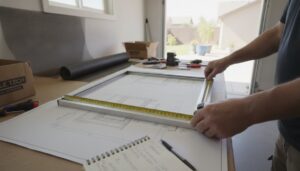
Proper fit matters enormously with exterior screens. Professional installation by a specialist like Sparkletech Sunscreens ensures the frame dimensions, mesh tension, and screen specification are matched precisely to each individual window opening, so performance is consistent and the installation holds up over time.
Solar Shades vs. Solar Screens: A Direct Comparison
Now that you understand what each product is, here is how they stack up across the factors that matter most to homeowners.
Heat Blocking Performance
This is where the difference becomes impossible to ignore. Exterior solar screens intercept solar energy before it ever touches the glass, reducing heat gain by up to 80%. Interior solar shades, by contrast, only manage heat that has already entered the room, limiting their thermal reduction to roughly 40%. That gap exists because glass absorbs radiant heat and re-radiates it indoors; an interior shade cannot stop that process, it can only slow it. For anyone serious about lowering cooling costs, exterior placement wins decisively.
Glare and UV Protection
Both products reduce glare and filter ultraviolet rays, but exterior screens address the problem at the source. When UV is blocked before it crosses the glass boundary, furniture, flooring, and artwork are protected far more effectively than when a fabric shade filters light that has already entered the room. Interior vs. exterior solar screens are frequently compared on this exact basis, and the exterior advantage holds consistently across product reviews and performance data.
Bug and Pest Protection
Exterior solar screens offer a benefit that interior solar shades simply cannot match: they function as a physical insect barrier. A properly fitted exterior screen covers the window opening from outside, blocking both sun and pests simultaneously. Interior shades offer zero protection against insects. For homes in areas where mosquitoes, gnats, or other bugs are a seasonal concern, this dual-purpose performance adds meaningful everyday value.
Smart Home and Aesthetics
Interior solar shades hold a clear edge in design flexibility. Motorized versions integrate with app control and voice assistants, and they come in a wide range of designer fabrics, colors, and openness factors. Exterior screens prioritize thermal and functional performance, and while motorized exterior options exist, the aesthetic variety is more limited.
Installation, Maintenance, and Cost
Interior shades are DIY-friendly and typically cost between $150 and $400 per window installed. Exterior solar screens require professional measuring and mounting for a sealed, effective fit, but that investment compounds over time. Professionally installed exterior screens commonly last 10 to 15 years, and rescreening services allow frames to be reused with fresh mesh, extending product life further without full replacement costs. The energy savings from up to 80% heat gain reduction offset the upfront cost in a way that interior shades, with their 40% ceiling, simply cannot replicate at the same scale.
Which Option Is Right for Your Home or Property?
The right choice comes down to what problem you most need to solve. If your top priorities are daytime privacy, a refined interior look, smart home compatibility, or gentle light diffusion in a region with moderate summer heat, interior solar shades are a reasonable fit. They install cleanly inside the window frame, integrate with automated systems, and give you decorating flexibility without altering your home’s exterior appearance.
If your priorities shift toward maximum heat reduction, lower cooling bills, insect protection, and unobstructed airflow when windows are open, exterior solar screens are the stronger choice. Because they intercept sunlight before it reaches the glass, they block up to 80% of solar heat gain compared to roughly 40% for interior shades, according to interior vs. exterior solar screen comparisons. That performance gap translates directly into measurable savings on air conditioning costs.
Window orientation should guide your installation priorities. South- and west-facing windows absorb the most intense, sustained solar heat throughout the day. These exposures are the highest-priority candidates for exterior solar screen installation, and addressing them first delivers the greatest immediate impact on indoor comfort and energy use.
For commercial property managers and HOA operators, exterior solar screens offer a consolidated value at scale. A single screen product simultaneously controls heat gain and keeps insects out, eliminating the need to purchase and maintain separate insect screens across dozens or hundreds of units. As this overview of how exterior shades reduce energy costs explains, the reduction in HVAC load across multiple units compounds into significant long-term savings.
In high-heat climates where cooling systems run heavily from spring through fall, exterior solar screens typically return their investment faster than interior shades. Their passive, continuous performance requires no daily adjustment from occupants, making them a reliable energy management tool rather than one that depends on consistent use to deliver results.
Why Professional Installation Makes a Difference
Choosing the right solar window shade solution is only half the equation. How that solution gets measured, installed, and maintained determines whether it actually performs as expected over time.
National e-commerce retailers can process your order and drop a shade or screen kit at your doorstep, but the transaction ends there. They cannot visit your home to measure irregular window openings, fabricate a custom-fit screen to exact dimensions, verify the installation is secure and properly tensioned, or return when something goes wrong. A screen that fits poorly is comparable to a torn fishing net; it may look functional but it will not block heat, filter light, or keep bugs out effectively. Professional installation eliminates that gap entirely.
Sparkletech Sunscreens offers same-week service for solar screen installation, rescreening, and repairs, which means your home gains meaningful sun and bug protection within days rather than waiting weeks for a shipped product you still have to install yourself.
Professional rescreening is also one of the most cost-effective options available when a frame is still structurally sound. Replacing only the worn or torn mesh, rather than the entire screen unit, typically costs between $25 and $75 per screen, compared to $120 to $400 for a fully new solar screen installation. When frames are intact, rescreening almost always wins on value.
Beyond installation, screen cleaning services remove accumulated dirt, pollen, and oxidation that quietly degrade mesh transparency and reduce solar blocking performance over time. That maintenance layer simply does not exist in any online retail model.
Finally, screen door installation and repair complete a whole-home protection strategy. No interior shade retailer is equipped to cover windows, entry doors, and patio access points under one service relationship. A local professional provider handles all of it, making your entire home more comfortable and resilient in a single engagement.
Frequently Asked Questions About Solar Window Shades and Solar Screens
How Much Heat Do Solar Screens Actually Block?
Exterior solar screens block between 65% and 90% of incoming solar heat, depending on the mesh density and color you select. Tighter weave patterns and darker colors perform at the higher end of that range, absorbing more radiant energy before it reaches the glass. An 80% solar screen is a popular mid-range choice for most climates, while a 90% screen is recommended for south- and west-facing windows that receive the most intense afternoon exposure. The practical result is a noticeably cooler interior and reduced strain on your air conditioning system throughout peak summer months.
Can Solar Screens Fit My Existing Windows?
Yes, exterior solar screens are custom fabricated to match your existing window frame dimensions. No window replacement, structural modification, or construction work is required. A professional installer measures each window opening individually and builds screens to those exact specifications. This makes solar screens one of the most accessible upgrades available to homeowners, renters with landlord approval, and property managers working across multiple units.
Do Solar Screens Also Block Bugs?
Exterior solar screens serve both functions simultaneously. The woven mesh that intercepts sunlight also acts as a physical barrier against insects, eliminating the need to install a separate bug screen on the same window. This dual functionality is one of the strongest practical arguments for choosing exterior screens over interior solar shades, which provide no insect protection whatsoever.
How Long Do Solar Screens Last?
With routine exposure and basic periodic cleaning, solar screen mesh typically performs well for 10 to 15 years. When the mesh eventually shows wear, rescreening replaces only the mesh material within the existing frame, making it a significantly more affordable repair than replacing the full frame assembly.
What Is the Cost Difference Between Interior Shades and Exterior Screens?
Interior solar shades from national retailers generally range from $150 to $400 per window installed. Professionally installed exterior solar screens are comparably priced and also eliminate the separate cost of bug screening, delivering compounded value from a single product investment.
The Bottom Line on Solar Window Shades
“Solar window shades” describes two fundamentally different products, and choosing the wrong one means paying for performance you will never fully receive. Interior solar shades filter light after it has already passed through the glass, while exterior solar screens intercept solar energy before it ever contacts the window surface. That upstream placement is what gives exterior screens a shading coefficient as low as 0.14 compared to 0.50 or higher for interior products, translating to nearly twice the heat reduction where it counts most.
Homeowners and property managers dealing with south- or west-facing windows, or living in high-heat climates, will see the greatest return from exterior solar screens. The physics favor outside installation, and no interior product can replicate that advantage regardless of mesh density or price point.
Sparkletech Sunscreens delivers same-week installation, rescreening, repair, and screen cleaning, providing a complete local solution that no online retailer can offer. Professional measurement and mesh selection, factoring in your specific openness factor needs and climate zone, ensures the screens actually perform as expected. Request a free estimate to find the right solar screen solution for your windows today.
Conclusion
Choosing between solar window shades and solar screens does not have to be overwhelming. Here is what matters most: solar screens excel at blocking heat before it enters your home, making them ideal for intense sun exposure; solar window shades offer more flexibility for light control and interior style. Your climate, window placement, and comfort priorities should guide your final decision. Both options deliver real energy savings compared to doing nothing at all.
Now that you have a clear picture of how each product performs, it is time to take action. Measure your windows, assess which rooms get the most direct sunlight, and choose the solution that fits your specific needs. A cooler home and lower energy bills are closer than you think. Start with one room, see the difference for yourself, and build from there.