
Table of Contents
- Why Solar Heat Gain Matters in Phoenix Homes
- How Solar Screens Reduce Heat and Lower Energy Bills
- Window Film and UV-Blocking Treatments for Phoenix Heat
- Exterior Window Shades, Awnings, and Patio Covers
- Phoenix Energy Efficient Windows and Low-E Glass Upgrades
- Desert Landscaping for Shade and Natural Cooling
- Solar Screens Phoenix Cost: What to Expect and How to Budget
- Window Orientation and Passive Solar Design in Phoenix
Last Updated: July 31, 2026
Why Solar Heat Gain Matters in Phoenix Homes
Phoenix residents face summer temperatures regularly exceeding 110°F, placing enormous strain on home cooling systems and driving up utility bills. Solar heat gain occurs when infrared radiation passes through windows and converts to heat inside your home. The solar heat gain coefficient (SHGC) measures how much solar radiation a window transmits, lower values mean better heat rejection. In Phoenix’s desert climate, reducing solar heat gain directly translates to lower air conditioning demand, reduced HVAC strain, and measurable savings on monthly energy bills.
This guide from SPARKLE TECH SUN SCREENS covers proven strategies to reduce solar heat gain and protect your investment in comfort and energy efficiency.
| Solution | Primary Benefit | Installation Type | Typical Payback Period |
|---|---|---|---|
| Solar screens | Blocks 65-90% of solar radiation | DIY or professional | 3-5 years |
| Window film | Reduces heat transfer and glare | Professional | 5-7 years |
| Low-E windows | Improves insulation and reflects heat | Professional replacement | 7-10 years |
| Exterior awnings | Passive cooling with aesthetic appeal | Professional installation | 4-6 years |
| Weather-stripping | Prevents air leaks and thermal bridging | DIY | 1-2 years |
How Solar Screens Reduce Heat and Lower Energy Bills
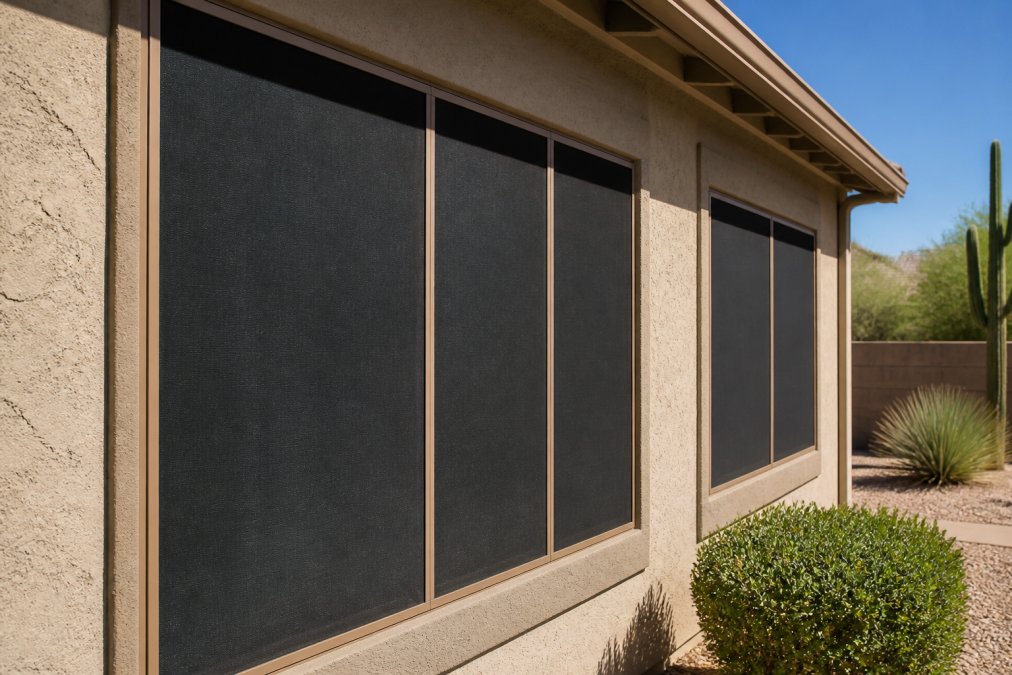
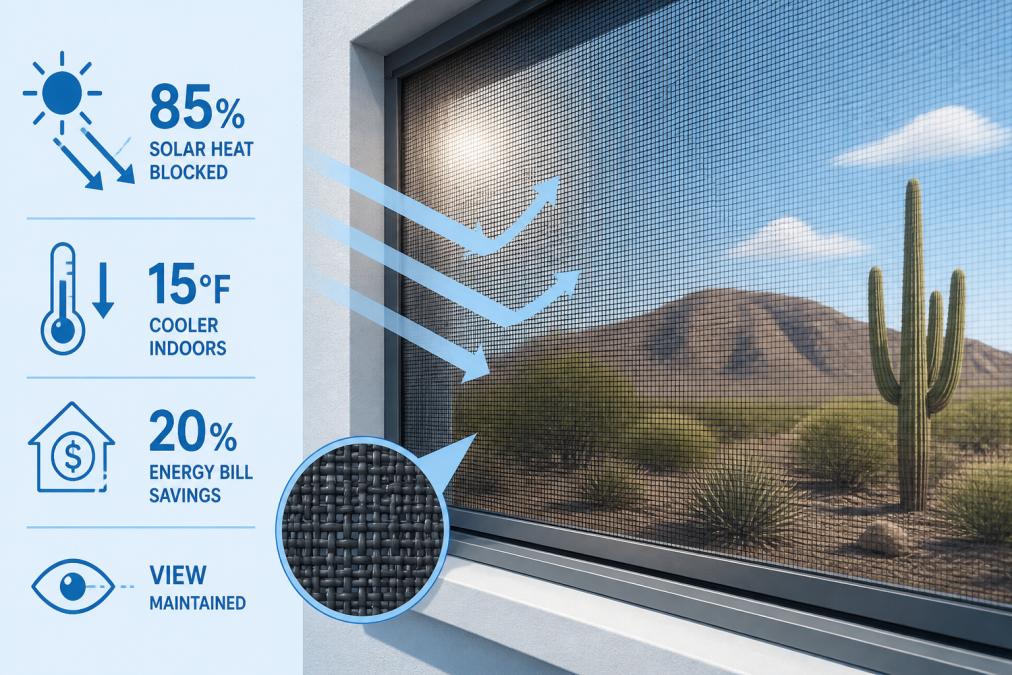
Solar screens are among the most effective and affordable methods to reduce solar heat gain. These specialized mesh materials block between 65 and 90 percent of incoming solar radiation while maintaining visibility and allowing natural ventilation. Unlike interior blinds, solar screens work on the exterior, preventing heat from entering through the window glass itself.
Quality solar screens have a shading coefficient of 0.10 to 0.35, rejecting a significant portion of the sun’s energy before it reaches your home’s interior. This exterior approach is far more efficient than interior treatments because it stops heat at the source. Phoenix homeowners report energy bill decreases of 15 to 25 percent during peak summer months, depending on window orientation and the percentage of windows screened.
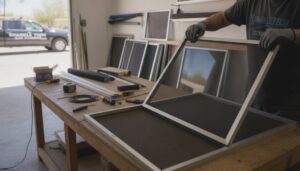
SPARKLE TECH SUN SCREENS provides custom-fit solar screens engineered for Arizona’s extreme climate. Their weather-resistant materials withstand intense sun exposure, high winds, and dust without degradation. The installation process is straightforward for many homeowners, though professional installation ensures proper fit and longevity.
Choosing the Right Solar Screen Material
Solar screen effectiveness depends on material quality and weave density. Premium screens use tightly woven polyester or vinyl-coated polyester that resists UV damage and maintains structural integrity under extreme heat. The mesh opening size determines both heat rejection and visibility, finer weaves block more heat but reduce outward visibility slightly.
Color matters as well. Darker screens absorb more heat, while lighter screens reflect more radiation away from the home. Gray and charcoal screens offer the best balance of heat rejection and aesthetic appeal for most Phoenix homes.
DIY vs. Professional Installation for Solar Screens
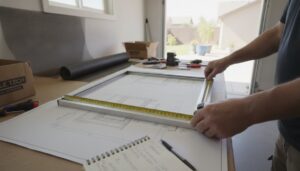
Installing solar screens yourself is feasible for homeowners with basic DIY skills. Measurement accuracy is critical, and the process typically takes two to four hours per window. Professional installation from SPARKLE TECH SUN SCREENS offers specialized measurement tools that ensure perfect fit, even on non-standard window sizes, plus quality assurance and lifetime guarantees on qualifying installations.
DIY materials typically cost $15 to $35 per screen. Professional installation adds labor and expertise. SPARKLE TECH SUN SCREENS offers same-week service and lifetime guarantees on qualifying screen services.
Window Film and UV-Blocking Treatments for Phoenix Heat
Window film represents an alternative approach to solar heat rejection. Applied directly to window glass, these transparent or slightly tinted films block ultraviolet radiation and reduce infrared transmission. High-quality window films can reduce solar heat gain by 40 to 60 percent while maintaining visibility and allowing natural light.
The primary advantage of window film is aesthetic, it doesn’t change your home’s exterior appearance the way screens do. For homeowners concerned about curb appeal or living in HOA-restricted communities, window film offers a subtle solution. The film also provides glare reduction and protection against UV damage to furniture and flooring.
Installation requires professional expertise. Technicians clean the window thoroughly, apply the film with precision, and use squeegees to remove air bubbles. Window film durability in Phoenix’s climate typically ranges from 10 to 15 years. Professional window film installation runs $5 to $15 per square foot, making a typical home’s window treatment a substantial investment. However, energy savings and extended lifespan justify the expense for many homeowners, particularly those with significant south or west-facing windows.
Exterior Window Shades, Awnings, and Patio Covers
Exterior shading systems provide passive cooling by blocking direct sunlight before it reaches your windows. Unlike screens or film, these systems are fully adjustable, you can deploy them during peak heat hours and retract them during cooler periods. Motorized exterior roller shades have become increasingly popular in Phoenix, with smart home integration allowing you to program shades to respond to temperature, time of day, or manual command.
Light-colored, tightly woven fabrics reflect more solar radiation than dark materials. The shading coefficient of quality exterior shades ranges from 0.15 to 0.40, comparable to solar screens.
Awnings and Patio Covers: Installation and ROI
Fixed awnings offer permanent shade for windows and patios. Canvas, metal, or polycarbonate awnings block direct sunlight while allowing air circulation underneath. A well-designed awning can reduce the solar heat gain coefficient on south or west-facing windows by 50 to 75 percent.
A quality retractable awning costs $1,500 to $4,000 installed, while fixed awnings range from $1,000 to $3,000. Energy savings typically amount to $200 to $400 annually for homes with multiple shaded windows, yielding a payback period of four to six years. The aesthetic improvement and extended outdoor living space provide additional value beyond energy savings.
Patio covers extend shading benefits to outdoor living areas. Polycarbonate or shade cloth patio covers allow filtered light through while blocking direct solar radiation, reducing the heat load entering your home through adjacent windows and doors. Professional installation ensures proper structural support and weather-resistant construction built to withstand Arizona’s monsoon winds and intense sun exposure.
Phoenix Energy Efficient Windows and Low-E Glass Upgrades
Window replacement represents the most comprehensive approach to reducing solar heat gain. Modern energy-efficient windows use low-emissivity (Low-E) glass coatings that reflect infrared radiation while transmitting visible light. These windows have solar heat gain coefficients between 0.20 and 0.40, significantly lower than older standard glass windows.
Low-E coatings consist of microscopically thin metallic layers that reflect infrared radiation back outside while allowing visible light through. Triple-pane windows with Low-E coatings and argon gas fill provide maximum insulation. While more expensive than dual-pane options, triple-pane windows deliver superior performance in extreme climates.
Window orientation matters significantly. South and west-facing windows receive the most intense solar radiation in Phoenix and represent the highest priority for replacement. The payback period for window replacement typically ranges from 10 to 15 years through energy savings alone. Additional benefits, improved comfort, reduced UV damage to furnishings, better winter insulation, and enhanced home value, often justify the investment sooner.
Desert Landscaping for Shade and Natural Cooling
Strategic landscaping provides natural, long-term shade that reduces solar heat gain without mechanical systems. Large trees positioned on the south and west sides of your home create permanent shade that blocks direct sunlight during peak afternoon hours. Native Arizona trees like palo verde, mesquite, and ironwood thrive in desert conditions, require minimal water, and provide substantial shade. Deciduous trees offer an additional advantage, they lose leaves in winter, allowing solar heat gain during cooler months.
Shade trees take years to mature, but climbing vines on trellises provide faster shade development. Deciduous vines like Arizona grape or clematis grow quickly, providing substantial shade within two to three years. Positioned on the west side of your home, a trellis with climbing vines can reduce afternoon wall temperatures by 10 to 15 degrees.
The combination of landscaping with other heat reduction methods creates a comprehensive thermal management strategy that addresses heat gain from multiple directions simultaneously.
Solar Screens Phoenix Cost: What to Expect and How to Budget
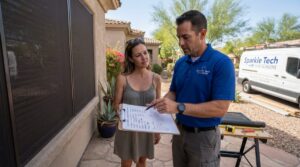
Standard residential solar screens typically cost between $15 and $35 per screen when purchased as materials for DIY installation. Professional installation adds labor costs, which vary based on screen complexity and accessibility. SPARKLE TECH SUN SCREENS provides free quotes and same-day pickup options.
A typical Phoenix home has 15 to 25 windows. Many homeowners prioritize south and west-facing windows first, addressing the areas with greatest solar heat gain before expanding to other windows. Some utility companies offer rebates or incentive programs for energy-efficient home improvements. Federal tax credits may apply to certain window treatments when they meet energy efficiency standards.
Energy bill savings of $200 to $400 annually, combined with improved comfort and extended air conditioning system lifespan, typically yield payback within three to five years. After the payback period, continued energy savings represent pure benefit.
Window Orientation and Passive Solar Design in Phoenix
Window orientation determines solar heat gain intensity throughout the day. South-facing windows receive consistent, intense solar radiation year-round. West-facing windows experience the most extreme afternoon heat, particularly during summer months. North-facing windows receive minimal direct sun. East-facing windows receive morning sun but benefit from afternoon shade.
This orientation reality should drive your heat reduction priorities. West-facing windows merit the most aggressive shading solutions. South-facing windows come second. East-facing windows benefit from lighter treatments that block morning sun without completely eliminating natural light.
Passive solar design principles inform strategic window treatment placement. Overhangs and awnings can be sized to allow winter sun through south-facing windows while blocking summer sun. Understanding your home’s thermal behavior helps optimize shading strategy, prioritizing heat reduction in high-load spaces maximizes comfort and energy savings.
The cumulative effect of strategic window orientation management can reduce peak cooling demand by 20 to 30 percent. When combined with other heat reduction methods, comprehensive passive solar design creates homes that maintain comfort with minimal air conditioning during mild shoulder seasons.
Phoenix’s extreme summer heat makes solar heat gain reduction a practical necessity. The strategies covered here, from solar screens to window film, awnings to landscaping, address heat gain through complementary approaches. SPARKLE TECH SUN SCREENS specializes in custom solar screens engineered for Arizona’s harsh climate, with weather-resistant materials, professional installation, and lifetime guarantees on qualifying services. Whether you choose screens, film, windows, or landscaping, taking action to reduce solar heat gain delivers immediate comfort improvements and long-term energy savings. Get your free quote from SPARKLE TECH SUN SCREENS and discover how custom solar screens can transform your home’s thermal performance.
Frequently Asked Questions
What is the most effective way to reduce solar heat gain in Phoenix homes?
A layered approach works best: combine solar screens with exterior shading (awnings or patio covers), upgrade to low-E windows if possible, and seal air leaks with weather-stripping. Solar screens block 65-90% of infrared radiation and reduce the solar heat gain coefficient entering your home. Window film and strategic landscaping provide additional passive cooling. The most cost-effective first step for most homeowners is installing solar screens, which require minimal upfront investment and deliver immediate thermal comfort improvements.
How much can solar screens reduce my air conditioning usage in Phoenix?
Properly installed solar screens can reduce cooling demand by 15-30%, depending on window orientation, screen material, and your current HVAC system efficiency. South and west-facing windows benefit most since they receive the most intense afternoon solar radiation. Combined with low-E window glass and exterior shading, homeowners often see cumulative energy bill reductions of 20-40%. Results vary based on your home's building envelope, insulation levels, and whether you use natural ventilation during cooler morning and evening hours.
Are solar screens in Phoenix worth the investment, and what's the payback period?
Solar screens typically pay for themselves in 3-7 years through reduced cooling costs, depending on your current energy bills and local electricity rates. Beyond energy savings, they provide UV-blocking protection for furnishings, reduce glare, and improve thermal comfort year-round. Professional-grade screens with lifetime guarantees offer additional value through durability in Phoenix's extreme heat and dust. For homeowners planning to stay 5+ years, the ROI is generally positive, especially when combined with other energy-efficiency upgrades like attic insulation or weather-stripping.
Do I need professional installation for solar screens, or can I install them myself?
Professional installation ensures precise custom measurements, proper fit, and correct tensioning, critical for maximizing solar heat gain reduction and screen longevity in Phoenix's harsh climate. DIY installation risks poor sealing, inadequate tension, and premature failure in high winds or extreme temperatures. Professional installers also handle non-standard window sizes and can advise on optimal screen placement based on your home's window orientation. Many providers, including Sparkle Tech Sun Screens, offer same-week service and lifetime guarantees on professional installations, making professional installation a practical choice for most homeowners.
This article was written using GrandRanker