
Table of Contents
- What Professional Window Screen Repair Services Include
- How to Remove Window Screens for Repair
- Average Cost to Rescreen a Window
- Pet-Resistant Screen Mesh and Specialty Materials
- The Professional Window Screen Repair Process
- DIY Window Screen Repair Kit: When to DIY and When to Call a Pro
- Screen Maintenance Tips for Longevity
- Why Professional Service Matters in Phoenix and Scottsdale
Professional Window Screen Repair Services: Complete Guide
Last Updated: August 3, 2026
When Arizona’s intense heat and dust storms roll through Phoenix and Scottsdale, your window screens take the brunt of the damage. Tears, bent frames, and deteriorated mesh let insects, dust, and debris into your home while letting cooled air escape. Professional window screen repair services restore function and protect your investment, but knowing when to repair versus replace, what materials hold up in Arizona’s climate, and how much to expect to pay makes all the difference.
At SPARKLE TECH SUN SCREENS, we’ve spent years helping homeowners navigate these decisions. This guide walks you through the complete landscape of professional screen repair, from understanding your material options to recognizing when DIY kits fall short and professional installation becomes essential.
What Professional Window Screen Repair Services Include
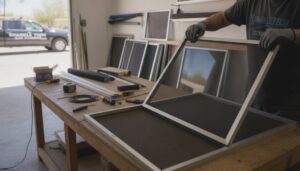
Professional window screen repair services range from simple mesh replacements to complete frame rebuilds and custom fabrication designed for Arizona’s harsh climate.
A small tear needs only a patch, while a warped frame or damaged spline (the rubber cord holding mesh in place) requires rescreening. Severely bent or corroded frames often need complete replacement rather than repair, especially if they’re aluminum frames exposed to years of Arizona sun and dust.
Professional services include on-site measurement and custom fabrication. Unlike ordering generic screens online, professionals measure your exact window dimensions and build screens that fit perfectly. This matters tremendously in Arizona, where temperature fluctuations cause window frames to expand and contract, making precise measurements critical for proper fit and airflow.
Types of Screen Repair Services
Window rescreening is the most common service, removing old mesh from the frame and installing new material in 30-45 minutes per standard residential window. Frame repair addresses bent, warped, or damaged frames themselves, though frames with deep corrosion often require replacement instead.
Custom screen fabrication builds entirely new screens to your specifications for non-standard window sizes, unusual shapes, or specialty installations like sliding screen doors and patio enclosures. SPARKLE TECH SUN SCREENS offers same-week custom fabrication with multiple mesh options.
Sliding screen door repair and replacement is another major service category, addressing the wear these doors experience from constant use.
Window Screen Replacement vs. Repair
If the frame is structurally sound and only the mesh is torn or degraded, rescreening makes economic sense. However, if the frame is bent, corroded, or the spline channels are damaged beyond repair, replacement becomes the better choice.
Age matters too. Screens older than 10-15 years often have multiple problems, weakened frames, brittle mesh, corroded hardware. Replacing the entire screen rather than patching individual issues usually delivers better long-term value.
How to Remove Window Screens for Repair
(/how-to-measure-windows-for-custom-screens/)]
Removing screens correctly prevents damage to both the screen and your window frame.
Step-by-Step Removal Process
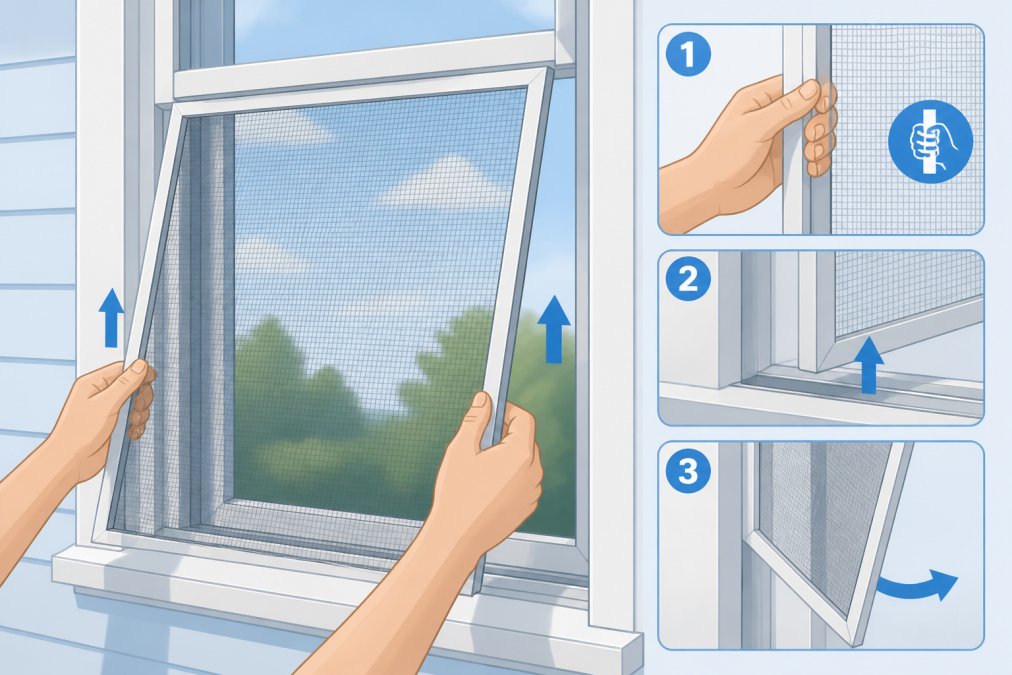
Open the window fully and locate the small tabs or clips on the sides of the screen frame. Gently press inward on one tab while lifting the screen frame slightly. The frame should tilt outward at the top. Once the top tilts out, lift the entire frame toward you and the bottom edge will slide out of the lower track. Set the screen on a clean surface, never on grass or dirt.
If your screens have different hardware, work slowly and observe how the frame sits before forcing anything.
What You’ll Need
You’ll need minimal tools: clean hands, a soft cloth for wiping the tracks, and a clear work surface. A second person can help stabilize the window while removing the screen, especially for larger frames. Having a vacuum or soft brush nearby helps clean the window tracks while the screen is out.
Average Cost to Rescreen a Window
Pricing for professional window screen repair varies based on screen size, frame condition, and material selection. Understanding the factors that drive cost helps you evaluate quotes effectively.
Factors That Affect Pricing
Screen size is the primary cost driver. Standard residential windows cost less to rescreen than oversized windows or custom shapes. Frame condition affects pricing significantly, a frame needing only mesh replacement costs much less than one requiring spline channel repair or frame straightening.
Material selection impacts cost substantially. Standard fiberglass mesh is most economical, while aluminum mesh costs more but offers better visibility and durability. Pet-resistant screening and solar-control mesh add further cost but provide specific benefits.
Labor complexity matters too. Screens accessible from ground level cost less than those requiring ladders or scaffolding. For current pricing on professional rescreening and custom fabrication, visit SPARKLE TECH SUN SCREENS pricing page to see options and request a free quote.
DIY vs. Professional Cost-Benefit Analysis
DIY screen repair kits cost under $50 but have hidden costs. The learning curve means your first attempt often produces poor results, mesh that’s too tight or too loose, wrinkles in the material, or spline that doesn’t seat properly. Rescreening a single window takes 30-45 minutes for an experienced person and 60-90 minutes for a first-timer.
Professional service eliminates these variables. You get properly fitted screens with correct mesh tension on the first attempt. For most homeowners with multiple damaged screens, professional service delivers better value than DIY attempts.
If you’re considering DIY repair, start with a single less-visible screen to test your skills. If the results look good and the process felt manageable, you can tackle additional screens. If not, professional rescreening for the remaining screens is money well spent.
Pet-Resistant Screen Mesh and Specialty Materials
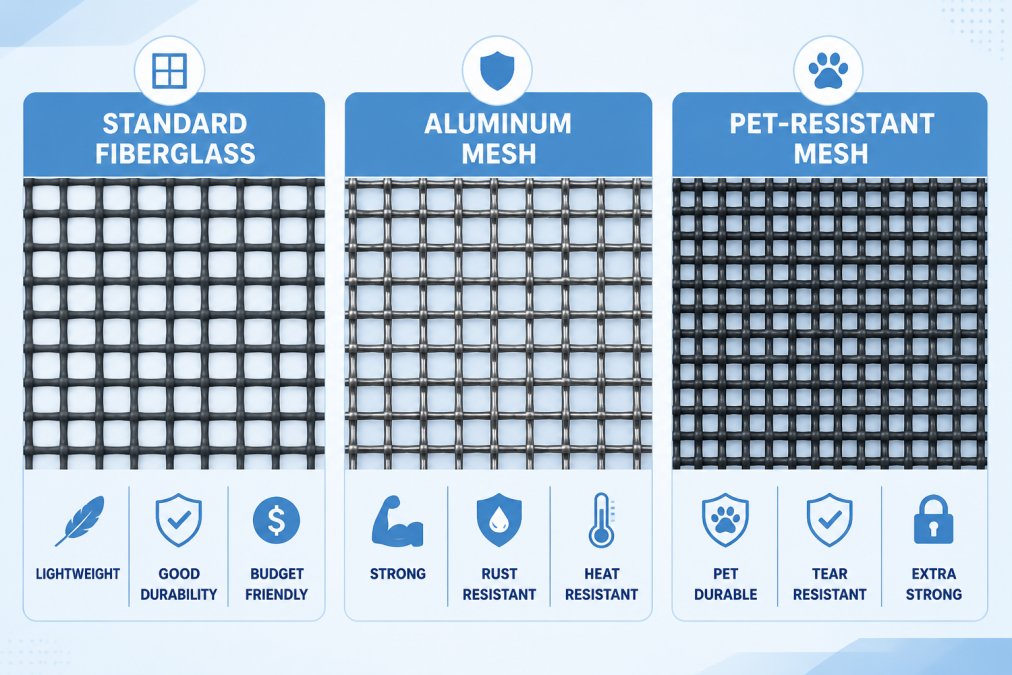
Arizona’s climate demands more from screen materials than milder regions. The intense sun, extreme temperature swings, dust storms, and occasional monsoon rains all accelerate mesh degradation. Choosing the right material for your situation makes the difference between screens lasting 3 years and lasting 10+ years.
Mesh Options for Arizona’s Climate
Standard fiberglass mesh is the most common and economical option but becomes brittle under intense UV exposure and typically lasts 5-7 years in Arizona. Aluminum mesh provides superior durability and visibility, resists UV degradation better, and typically lasts 8-10 years.
Pet-resistant screening uses tightly woven, reinforced material designed to withstand claws and teeth. If you have dogs or cats that access your patio screens, pet-resistant mesh prevents the constant repair cycle that standard mesh requires.
Solar-control mesh reduces heat transmission through the screen, lowering cooling costs during summer months by blocking 65-75% of solar radiation. No-see-um mesh has an extremely tight weave designed to block tiny insects like gnats that standard mesh allows through.
Durability and Weather Resistance
Arizona’s weather creates specific durability challenges. Dust storms expose screens to abrasive particles that scratch and degrade mesh. Intense UV radiation weakens fiberglass mesh faster than in other climates. Temperature swings from 115°F days to 50°F nights cause frame expansion and contraction that stresses spline connections.
Weather-resistant materials and proper installation address these challenges. SPARKLE TECH SUN SCREENS uses materials specifically selected for Arizona’s climate conditions, with spline tension and frame preparation optimized for thermal expansion and dust exposure. This approach extends screen life significantly compared to generic installations.
The Professional Window Screen Repair Process
Understanding what happens when professionals repair your screens helps you recognize quality workmanship and realistic timelines.
On-Site Measurement and Custom Fabrication
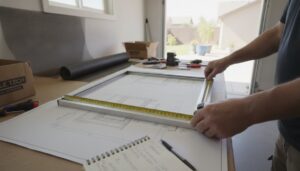
Professional service begins with precise measurement. Technicians measure the window opening width and height at multiple points, top, middle, and bottom, to catch frames that aren’t perfectly square. They also measure the frame depth to ensure the new screen sits properly in the track.
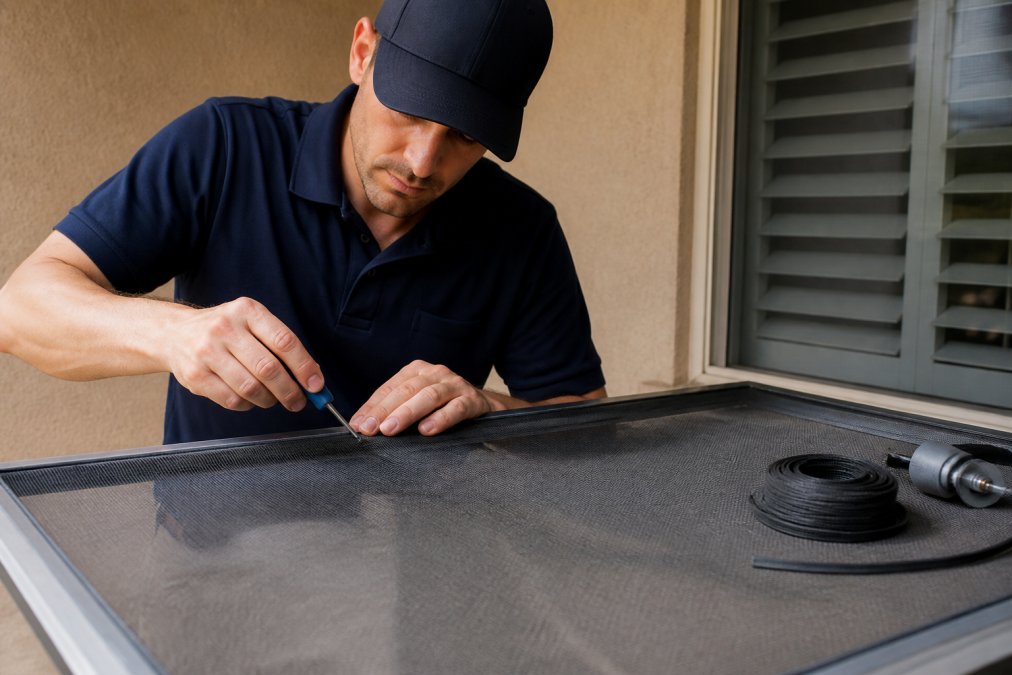
Custom fabrication happens either on-site or in the workshop. SPARKLE TECH SUN SCREENS completes most fabrication on-site, allowing same-day or next-day installation. The technician selects the appropriate mesh material based on your needs and Arizona climate conditions, cuts the mesh to size, and installs it in the frame using proper spline tension.
Proper spline tension is critical. Too loose and the mesh sags and allows insects through. Too tight and the frame can warp or the spline can tear. Professional technicians develop the skill to achieve the correct tension consistently.
Installation and Quality Assurance
Installation involves cleaning the window tracks, setting the screen frame in place, and ensuring it slides smoothly and seats properly. The technician checks that the screen closes flush with the frame and opens without binding.
Quality assurance includes visual inspection of the mesh for wrinkles, proper spline seating, and frame alignment.
The difference between amateur and professional rescreening is immediately visible, professional work shows no wrinkles in the mesh, even spline tension throughout, and frames that sit perfectly flush in the track.
DIY Window Screen Repair Kit: When to DIY and When to Call a Pro
DIY screen repair kits are tempting because they’re inexpensive and the work seems straightforward. Understanding the actual difficulty level and success rate helps you make the right choice.
What’s in a DIY Repair Kit
A typical DIY kit includes a roll of mesh material (usually 36" x 84"), spline (the rubber cord that holds mesh in place), and a plastic spline roller tool for pressing the spline into the frame groove. The Phifer Screen Repair Kit and Saint-Gobain ADFORS Extra-Strength kits are widely available at hardware stores.
Common Mistakes to Avoid
The most common DIY mistake is incorrect spline tension. Beginners often pull the mesh too tight, which warps the frame or breaks the spline. Conversely, loose mesh sags and doesn’t seal properly against insects.
Wrinkled mesh installation is another frequent error. Getting the mesh perfectly flat while pressing the spline down requires practice. Poor spline seating is also common, the spline must sit completely in the frame groove with no gaps.
Frame damage during removal or installation happens when DIYers force screens or use improper technique. Choosing the wrong mesh material for your climate is another mistake. Standard fiberglass mesh might seem economical, but in Arizona’s intense sun, it degrades quickly.
Screen Maintenance Tips for Longevity
Proper maintenance extends screen life significantly and prevents many common problems.
Seasonal Care and Cleaning
Clean screens quarterly, more frequently if you’re in a dusty area. Use a soft brush or vacuum with a brush attachment to remove dust and debris. For screens with heavier buildup, rinse gently with a garden hose using low pressure. Never use high-pressure washers, which can damage the mesh.
During monsoon season (June-September), inspect screens after storms for damage. In winter, check that screens are properly seated in the tracks, as temperature changes can cause frames to shift slightly.
Preventing Common Damage
Avoid leaning on screens or putting pressure on the mesh. Keep landscaping trimmed away from screens, as branches rubbing against screens cause abrasion and tears. Address small tears immediately, a tiny hole grows quickly as the mesh continues to tear.
Check spline condition annually. If the spline is cracked, brittle, or pulling away from the frame, rescreening is needed soon.
| Maintenance Task | Frequency | Time Required | Impact |
|---|---|---|---|
| Visual inspection | Monthly | 5 minutes | Catches damage early |
| Dust cleaning | Quarterly | 10-15 minutes per screen | Prevents clogging and corrosion |
| Post-storm inspection | After severe weather | 5 minutes | Identifies storm damage quickly |
| Spline condition check | Annually | 2 minutes per screen | Prevents mesh failure |
| Track cleaning | Twice yearly | 10 minutes | Ensures smooth operation |
Why Professional Service Matters in Phoenix and Scottsdale
Local conditions in the Phoenix metro area create specific challenges that generic screen solutions don’t address.
Benefits of Professional Installation
Professionals understand Arizona’s climate demands and select materials specifically chosen for UV resistance, heat tolerance, and dust exposure. They install screens with proper tension and seating that accounts for the thermal expansion and contraction that occurs with our extreme temperature swings.
Local professionals also understand local building codes and window styles. Older Phoenix homes often have aluminum-frame windows that require specific measurement and installation techniques. SPARKLE TECH SUN SCREENS offers same-week service with quick quotes and same-day pickup options, minimizing the time your home is unprotected.
Lifetime Guarantees and Warranty Protection
Professional screen repair services often include warranties on labor and materials. SPARKLE TECH SUN SCREENS backs qualifying screen services with a lifetime guarantee, meaning if your screens fail due to workmanship issues, they’re repaired or replaced at no charge.
This warranty protection matters significantly in Arizona. The intense climate can reveal workmanship problems within months of installation. A lifetime guarantee ensures you’re protected against defects and gives you recourse if screens fail prematurely.
Damaged screens compromise your home’s comfort, energy efficiency, and protection against Arizona’s dust and insects. While DIY repair kits exist, professional window screen repair services deliver properly fitted screens with correct material selection and installation technique that DIY approaches struggle to match. SPARKLE TECH SUN SCREENS provides custom-fit screens built from materials specifically chosen for Phoenix and Scottsdale’s harsh climate, with same-week service and a lifetime guarantee on qualifying work. Get Your Free Quote and discover how professional screens transform your home’s comfort and durability.
Frequently Asked Questions
What is the average cost to rescreen a window?
The cost of rescreening a window depends on frame size, mesh material, and whether you choose DIY or professional service. Professional window screen repair services typically charge based on screen dimensions and material selection. Visit the pricing page for current quotes, or request a free estimate to get an accurate figure for your specific windows. Pricing varies significantly based on custom fabrication, specialty mesh upgrades, and local labor rates.
How do I know if I should repair or replace my window screen?
Small tears or holes in the mesh can often be patched, making repair the most cost-effective option. However, if the frame is bent, warped, or severely damaged, or if the screen is more than 10-15 years old, replacement is usually better. Professional window screen repair services can assess your screens and recommend the most practical solution. Replacement also gives you the opportunity to upgrade to pet-resistant mesh or weather-resistant materials suited to Arizona's climate.
What is pet-resistant screen mesh and is it worth the cost?
Pet-resistant screen mesh is reinforced fiberglass or vinyl material designed to withstand scratching, clawing, and puncturing from pets. It's significantly more durable than standard mesh and resists tears from normal wear. For households with active dogs or cats, the investment in pet-resistant screen mesh pays for itself through longer lifespan and fewer repairs. It also maintains airflow and visibility while providing the same insect protection as standard mesh.
Can a professional service handle odd-sized or custom windows?
Yes, professional window screen repair services specialize in custom fabrication for non-standard window sizes, shapes, and frames. Technicians visit your home to take precise measurements, then build screens to exact specifications. This ensures a perfect fit and maximum durability, even for older homes with unusual window dimensions. Custom screens also allow you to choose specific mesh materials, including pet-resistant or solar-control options, tailored to your needs and Arizona's intense sun and heat.
This article was written using GrandRanker