

Your home’s comfort and energy bills have more in common with your windows than you might think. Every day, the sun beats down on your glass panes, pushing heat into your living spaces and forcing your air conditioner to work overtime. The good news is that there is a simple, effective solution that many homeowners overlook: outdoor window shades.
Outdoor window shades are one of the smartest investments you can make for your home. They block heat before it ever enters through the glass, reduce glare, protect your furniture from UV damage, and give you greater control over your privacy. Yet with so many styles, materials, and installation options available, knowing where to start can feel overwhelming, especially if you are new to home improvement.
That is exactly why we put this guide together. Whether you are shopping for the first time or simply trying to understand your options better, this list breaks down everything you need to know. From the different types of outdoor shades to key buying considerations, you will walk away feeling confident and informed.
The Main Types of Outdoor Window Shades
Not all outdoor window shades work the same way, and choosing the right type starts with understanding what each one actually does. Here are the five main types you need to know.
1. Solar Screens
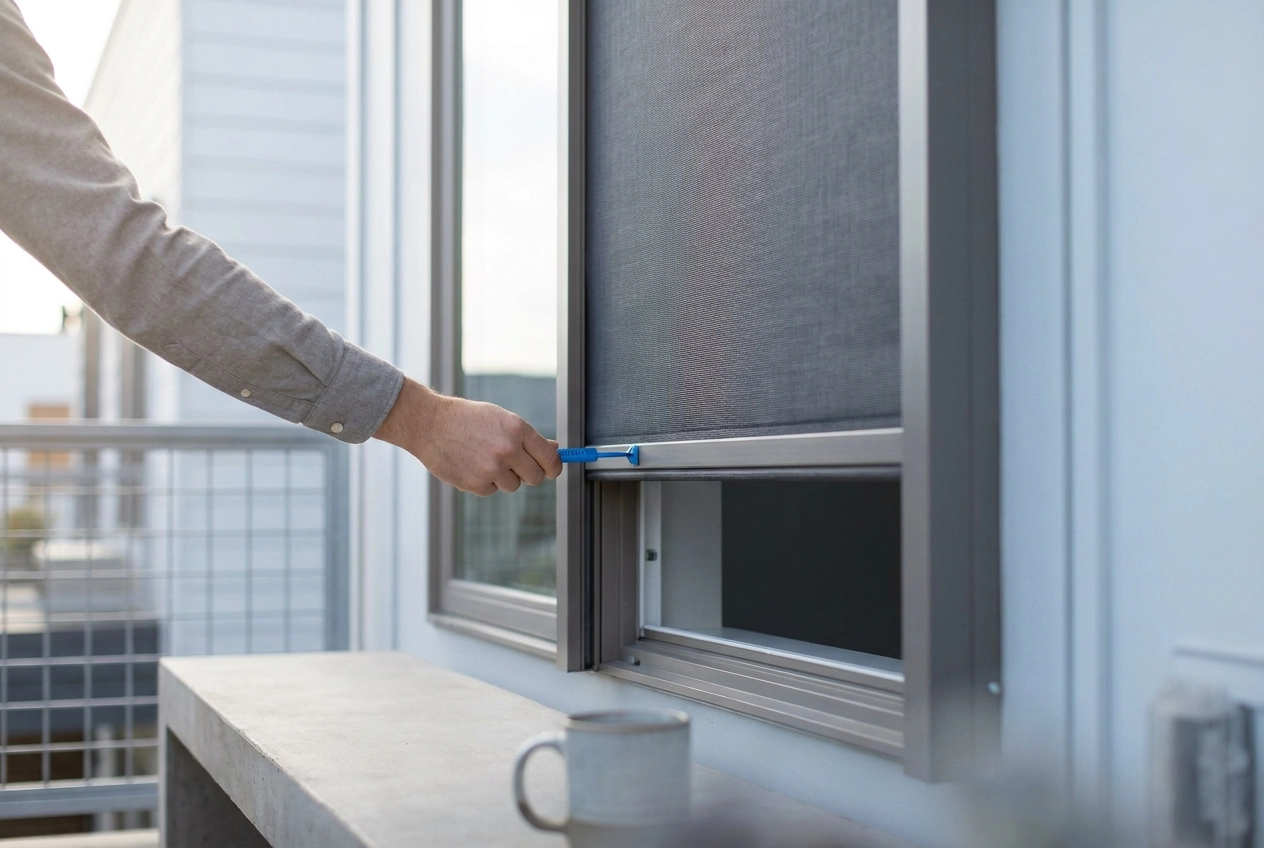
Solar screens are fabric-based panels mounted directly over the exterior of your window frame. Their biggest advantage is interception: they block UV rays and solar heat before that energy ever passes through the glass. Interior shades, by contrast, allow heat to enter and trap it in the space between the glass and your room. That distinction makes solar screens significantly more effective for temperature control. According to this complete buyer’s guide for outdoor shades, exterior placement is consistently the superior choice for managing heat gain in residential settings.
2. Exterior Roller Shades
Roller shades are the most widely used outdoor shading format in the world, commanding a 36% share of the external blinds market, valued at approximately USD 1.66 billion in 2024. They roll up and down along a track and are available in motorized or manual versions. Performance varies considerably based on material quality, fabric density, and installation method, so not all roller shades deliver equal results.
3. Awning and Patio Blinds
These hold a 22% share of the external blinds market and are primarily designed for patios, pergolas, and commercial hospitality settings. They cover large spans rather than individual windows, making them less practical for standard residential window applications.
4. Aluminum vs. Fabric Exterior Blinds
By material, aluminum and metal-framed options lead at 41% market share due to their durability and resistance to harsh weather. Fabric and textile options hold 34% share, favored for their visual flexibility and residential appeal. For homeowners, fabric-based solar screens offer a strong balance of function and aesthetics.
5. Solar Screen Mesh
Solar screen mesh is a specialized subcategory that combines sun-blocking capability with insect protection. As explained in Hunter Douglas’s overview of solar shades, this format addresses glare, UV exposure, and ventilation simultaneously. That layered functionality makes solar screen mesh the most versatile option available for residential windows.
Solar Screens vs. Other Outdoor Shades: What Is the Difference
The single most important thing a beginner needs to understand about outdoor window shades is this: where a shade stops solar energy matters just as much as whether it stops it at all.
Exterior solar screens intercept UV radiation and solar heat at the window’s outer surface, before that energy ever contacts the glass. Interior roller shades, blinds, and even premium interior “solar shades” can only manage light and heat after it has already transferred through the glazing and into the room. According to research from exterior vs. interior shade comparisons, this physics-based difference is significant: exterior solar screens can reduce heat gain by up to 80%, while interior shades of any type max out at roughly 40%. That gap represents real dollars on your cooling bill every summer.
This distinction also separates solar screens from the “indoor solar shades” sold by premium window treatment retailers. Those interior products start at $290 per window and are designed primarily around aesthetics, customization, and glare filtering. Exterior solar screens, by contrast, are engineered for function, durability, and practical heat reduction. They are built to withstand sustained UV exposure, wind loading, and moisture, which is exactly why synthetic materials dominate outdoor shading products at 55.8% market share in 2026.
As explained in this breakdown of outdoor solar shades vs. regular shades, interior solutions trap heat between the shade and the glass, creating a greenhouse effect that interior materials cannot resolve. Exterior screens eliminate the problem at its source by reducing your home’s solar heat gain before it ever reaches the glass.
Understanding this difference helps you avoid a costly mistake: spending money on an indoor decorative solution when your home has an exterior heat and UV problem. If sun-driven heat and fading are your primary concerns, an exterior solar screen is the functionally appropriate tool for the job.
How Outdoor Window Shades Cut Energy Costs
Energy efficiency has become the top purchase driver for exterior shading products in 2026, and the numbers back this up. The exterior blinds market is projected to grow at a 10.5% CAGR from 2026 to 2033, with energy conservation awareness cited as a primary demand catalyst. Stricter building energy regulations and rising consumer awareness of solar heat gain are pushing demand upward across both residential and commercial segments. Simply put, more homeowners and business owners are recognizing that windows are their biggest source of unwanted heat gain, and they are taking action.
The core reason outdoor window shades cut energy costs comes down to interception. Solar screens and exterior shades stop sunlight before it ever contacts the glass. Once sunlight passes through a window and converts to heat inside a room, your air conditioner has to work harder to compensate. By blocking that radiation at the exterior, quality solar screens can reduce solar heat gain by up to 77% and lower indoor temperatures by as much as 15°F on the hottest days, according to The 2026 Guide to Energy-Efficient Window Treatments. That directly reduces the workload on your cooling system during peak summer hours.
Homes and small businesses in high-UV climates see the most dramatic savings. When multiple south- and west-facing windows are screened, the cooling demand offset compounds significantly across long sun-exposure hours. As outlined in this guide to energy-saving exterior shades, the combination of window orientation and exterior shading placement is what maximizes return.
Exterior shading solutions are also increasingly recognized in building energy standards as effective passive cooling tools. This regulatory validation makes them a practical, credible upgrade for both new construction and existing window frames, with no major structural modifications required.
The Bug Protection Angle Most Shade Guides Skip
Most guides covering outdoor window shades focus entirely on heat and glare reduction, completely skipping a benefit that sets exterior solar screens apart from every other shading product on the market: physical insect protection.
Standard roller shades, aluminum blinds, and awnings all share a critical limitation. They either sit inside the window plane or extend overhead, leaving the actual window opening exposed. An exterior solar screen, by contrast, is mounted directly against the outside face of the window, functioning structurally much like a traditional insect screen. That physical placement means insects cannot reach the opening at all. No other outdoor shade type can make that claim.
What makes this even more useful to understand is how mesh density connects sun control and bug blocking into a single specification. Solar screen fabric is measured by its openness factor, which represents the percentage of the screen surface that is open space between woven fibers. Openness factors typically range from 1% to 25%. A tighter weave with a lower openness factor blocks more solar heat, transmits less light, and also leaves smaller gaps between fibers, which physically excludes smaller insects. Choosing the right mesh means balancing all three variables simultaneously: light transmission, heat rejection, and bug resistance.
For homeowners in warm climates across Texas, Arizona, and Florida, where both insect pressure and intense heat stretch across multiple seasons, this dual-purpose performance delivers real consolidation value. One exterior solar screen on a window that opens to a porch replaces both a traditional bug screen and a separate solar shade on the same opening.
Exterior solar screens differ from insect screens in meaningful technical ways, but dense solar mesh handles both jobs effectively. Sparkle Tech Sunscreens installs solar screens specifically engineered for sun protection and bug control together, covering this dual-purpose need with a single professional product and same-week service turnaround.
Rescreening and Repair vs. Buying New: What Makes More Sense
With the global blinds and shades market projected to reach USD 18.0 billion by end of 2026, product prices across every category are climbing. For homeowners who already have outdoor window shades installed, that market reality points toward one smart financial move: repair and rescreen before you replace.
Here are the key factors to consider when making that decision.
1. Rescreening costs a fraction of full replacement. When a screen frame is structurally sound but has torn, sagging, or punctured mesh, rescreening is almost always the right call. Professional rescreening typically runs $25 to $75 per screen, while full frame-and-mesh replacement costs $75 to $300 or more. According to a 2026 window screen repair and replacement cost guide, roughly 90% of screen damage falls into the “mesh torn, frame intact” category, meaning most homeowners are paying for full replacement when a rescreen would have solved the problem completely.
2. Custom windows make repair even more valuable. Non-standard or custom-sized openings require specialty fabrication for replacement products, which adds both cost and lead time. For those windows, rescreening the existing frame saves significantly. A 2026 repair vs. replacement cost guide lists custom sizing as one of the top reasons to choose repair over replacement every time.
3. Cleaning protects your investment. Accumulated dust, pollen, and debris clog mesh fibers and reduce solar rejection performance noticeably over time. Regular screen cleaning extends mesh lifespan and keeps solar screens working at full efficiency through every season.
Sparkle Tech offers rescreening, screen repair, and screen cleaning as standalone services, so homeowners can address specific damage without committing to a full replacement project. Same-week availability means minor damage gets resolved quickly, before it becomes a larger and costlier problem.
Where Screen Doors Fit Into Your Outdoor Shading Strategy
Most homeowners install solar screens on every west-facing window and then leave the patio door completely unprotected. That single oversight can undo a significant portion of the heat and insect control they just invested in.
Screen doors serve a complementary function to outdoor window shades by extending the same protection to your home’s entry points. A properly screened door lets you keep the door open for ventilation while blocking insects and reducing direct solar exposure at the threshold. Without that screen, every breeze you invite in comes with bugs attached.
The directional orientation of your doors matters more than most guides acknowledge. In homes where patio or back doors face south or west, those openings receive the highest solar load of any surface on the house during afternoon hours. Solar screens on the adjacent windows reduce heat gain through the glass, but an unscreened door opening right beside them creates a direct pathway for both heat and insects. Addressing the door is the logical next step in any whole-home shading strategy.
The good news is that screen door mesh options mirror window screen choices almost exactly. The same variables apply: openness factor, solar rejection rating, and insect exclusion mesh size. Phifer’s exterior sun control line covers both window and door screening within a unified product family, which makes it straightforward to match performance levels and maintain visual uniformity across your entire exterior.
Damaged or aging screen doors are among the most overlooked items in routine home maintenance. A torn or warped screen door quietly cancels the insect protection that your window screens are providing everywhere else.
Scheduling screen door service alongside a window screen installation or repair project adds minimal complexity while producing a noticeably more complete result. One visit, one consistent mesh selection, and one fully protected exterior.
What to Look for When Choosing Outdoor Window Shades
Selecting the right outdoor window shades comes down to five practical factors. Getting each one right means your shades perform as intended for years rather than months.
1. Material Durability
Synthetic mesh fabrics and aluminum hardware are the clear leaders for outdoor applications. Synthetic materials now hold a 55.8% share of the broader blinds and shades market in 2026, and that dominance exists for good reason. Synthetic mesh resists UV degradation, sheds moisture, and holds its shape through temperature swings that would warp or discolor natural fibers. Bamboo and woven wood options may look appealing in showroom photos, but they absorb humidity and break down quickly when mounted on a fully exterior-facing wall. Aluminum frames and brackets resist rust where steel components would corrode within a single rainy season. For any window that faces direct weather exposure, synthetic mesh fabric paired with aluminum hardware is the only combination worth considering.
2. Openness Factor
The openness factor is the percentage of the mesh weave that is open rather than solid material. A 3% openness fabric blocks more solar heat and UV radiation but reduces your outward view significantly. A 10% fabric preserves more visibility while providing lighter thermal protection. A west-facing window taking direct afternoon sun typically benefits from a lower openness rating; a north-facing window can tolerate a higher one without sacrificing meaningful heat control.
3. Installation Quality
Proper sizing and secure mounting are non-negotiable. Gaps between the shade frame and window opening allow insects to enter and let heat bypass the screen entirely, canceling out the benefits you paid for. Frame edges that are not flush against the mounting surface also wear faster from wind movement and vibration.
4. Smart Home Integration
Motorized and remote-controlled exterior shading systems are gaining traction in 2026, with dedicated buyer guides now published for smart blinds across multiple platforms. You can review current options in resources like the Best Smart Blinds for Windows in 2026 guide to understand where the technology currently stands. For most residential windows, fixed-mount solar screens remain simpler, more durable, and easier to maintain than motorized alternatives that add battery, motor, and connectivity dependencies.
5. Service Turnaround Time
This is the factor most product guides ignore entirely. National e-commerce retailers typically operate on custom-order lead times and self-install models, meaning weeks can pass before your windows are protected. Local providers like Sparkle Tech offer same-week installation with professional on-site sizing and mounting, so there are no gaps, no guesswork, and no waiting.
Choosing Outdoor Window Shades That Actually Do the Job
The bottom line is straightforward: exterior mounting is what makes solar screens work. Stopping solar heat before it passes through the glass is the only approach that delivers meaningful, measurable cooling relief. Interior blinds and shades act too late in the process to compete on heat reduction.
Most shade guides stop there. They skip the practical details that actually affect your buying decision, including dual sun-and-bug protection in a single screen, the cost advantage of rescreening and repairing existing frames rather than replacing them entirely, and the value of integrating screen doors into the same shading system so no entry point is left unprotected.
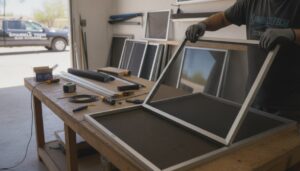
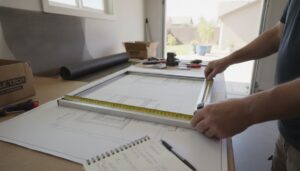
Online and big-box purchases add friction at every step: self-measurement, shipping delays, and DIY installation that leaves room for fitting errors. Same-week local service removes all of that. A professional measures, fabricates, and installs correctly the first time, and your home is protected before the week is out.
Sparkle Tech handles exterior solar screen installation, rescreening, repair, screen door service, and screen cleaning, all with same-week availability. If you are ready to get it done this week rather than manage a months-long project, contact Sparkle Tech for a straightforward local consultation.
Conclusion
Outdoor window shades are a practical, high-impact upgrade that every homeowner should consider. They block heat before it enters your home, reduce your energy costs, protect your interiors from UV damage, and give you better control over privacy and comfort. With a wide range of styles and materials available, there is an option to suit nearly every home and budget.
The right shades do more than just look good; they actively work to make your living spaces more comfortable year-round. Now that you understand your options, the next step is simple. Measure your windows, assess your priorities, and start exploring the solutions that fit your home best.
Do not let another summer pass with your air conditioner struggling to keep up. Invest in outdoor window shades today and start enjoying a cooler, more comfortable home tomorrow.