
Table of Contents
- What a Lifetime Guarantee on Sun Screens Actually Covers
- Limited Lifetime Warranty vs. Full Lifetime Warranty: The Critical Difference
- Material Defects and Workmanship: What Manufacturers Are Responsible For
- What Voids a Window Screen Warranty
- How to Maintain Solar Screens and Keep Your Warranty Valid
- Solar Screen Lifespan: Realistic Expectations and Climate Factors
- Filing a Warranty Claim: What You Need to Know
- Conclusion
Last Updated: August 14, 2026
What a Lifetime Guarantee on Sun Screens Actually Covers
A lifetime guarantee on sun screens is a manufacturer’s promise to repair or replace defective screens at no cost for the life of the original owner, provided the product hasn’t been damaged through misuse or neglect. The catch is that "lifetime" rarely means forever, most manufacturers define it as the duration you own your home or a specific number of years, whichever comes first. At SPARKLE TECH SUN SCREENS, we’ve seen homeowners confused about what their warranty actually protects.
Coverage typically includes manufacturing defects like faulty welds, broken frames, torn mesh, and defective hardware. It doesn’t cover environmental damage from Arizona’s intense sun, dust storms, or normal wear and tear. The distinction matters because homeowners often assume a lifetime guarantee means screens will never fail, when it actually means the manufacturer stands behind their workmanship and materials, not the elements themselves.
Understanding your specific warranty terms before installation is essential. Different manufacturers use different language, and small wording differences can mean the difference between an approved and denied claim.
Limited Lifetime Warranty vs. Full Lifetime Warranty: The Critical Difference
A limited lifetime warranty covers specific components or defects for your lifetime as the original owner but excludes certain parts, materials, or types of damage. A full lifetime warranty covers the entire product with fewer exclusions, though even these have limits.
With a limited lifetime warranty, the manufacturer might cover the frame and hardware but exclude the mesh fabric, which degrades faster under UV exposure. They might also exclude labor costs for removal and reinstallation. Some limited warranties only apply if screens were professionally installed by an authorized dealer, DIY installation voids coverage entirely.
Solar screens in Arizona face extreme environmental stress from UV degradation, heat warping, and dust infiltration. A limited lifetime warranty acknowledges that some failures are inevitable, so manufacturers limit liability to manufacturing defects only. Environmental exposure, the primary threat to screens in this climate, falls outside coverage.
When comparing quotes, ask specifically whether the warranty covers labor, applies to all components equally, and transfers if you sell your home. SPARKLE TECH SUN SCREENS includes coverage on workmanship and material defects for qualifying services, but exact terms depend on your specific installation and materials used.
Material Defects and Workmanship: What Manufacturers Are Responsible For
Manufacturers distinguish between material defects and workmanship issues. A material defect is a flaw in the product itself, a weak weld, defective mesh, or hardware that fails prematurely due to poor manufacturing. Workmanship refers to how the screen was assembled and installed, including frame alignment, mesh tension, and seal integrity.
Material defects covered under warranty include cracked or warped frames that fail within a reasonable timeframe, mesh tears caused by manufacturing flaws, broken hardware like hinges or latches that were defective from the factory, and failed motorized components that stopped working due to internal defects.
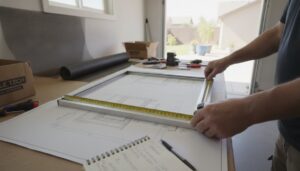
Workmanship coverage means the installer is responsible if the screen was improperly assembled or installed. This includes screens that don’t fit properly, mesh installed with incorrect tension, seals that weren’t properly applied, or installation that damaged the window frame.
The challenge is proving which category a failure falls into. Keep your proof of purchase, photos of the installation, and records of any maintenance performed. If you’ve neglected basic cleaning or maintenance, the manufacturer can argue that environmental damage resulted from your failure to maintain the product, which voids the warranty.
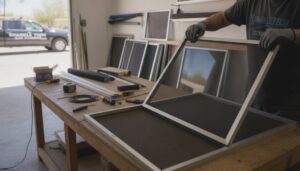
Professional installation becomes valuable here. Installers like SPARKLE TECH SUN SCREENS take responsibility for workmanship and can advocate on your behalf if a defect appears later. DIY installation shifts all responsibility to you.
What Voids a Window Screen Warranty
Understanding what voids a warranty is as important as knowing what’s covered. Common warranty-voiding factors include failure to register your product within a specified timeframe (typically 30 days), lack of proof of purchase, installation by an unauthorized installer, visible signs of impact damage or misuse, modifications to the original product, and failure to perform basic maintenance.
Environmental exposure alone doesn’t void a warranty, but it can complicate claims. If your screen shows UV degradation after five years, the manufacturer might argue that environmental damage is normal wear and tear. However, if the same screen fails after two years with minimal exposure, that’s more likely covered because it suggests a material defect.
Impact damage voids coverage immediately. If a child throws a ball through the screen or a branch falls on it, that’s user responsibility. Similarly, DIY repairs using non-approved materials or modifications like adding extra mesh layers can trigger warranty denial.
Installation by someone other than an authorized dealer is a common voiding trigger. Some manufacturers require professional installation to validate the warranty. SPARKLE TECH SUN SCREENS maintains certified installation teams specifically to ensure your warranty remains valid and your screens are installed to manufacturer specifications.
Window manufacturer policies can also void your solar screen warranty indirectly. Some window manufacturers void their own warranty if you install aftermarket screens without approval. Before installation, check your window documentation to confirm that adding screens won’t affect your window coverage.
How to Maintain Solar Screens and Keep Your Warranty Valid
Maintaining your solar screens properly isn’t optional if you want warranty protection, it’s a requirement. Most manufacturers specify basic maintenance obligations, and failure to meet them gives grounds to deny claims.
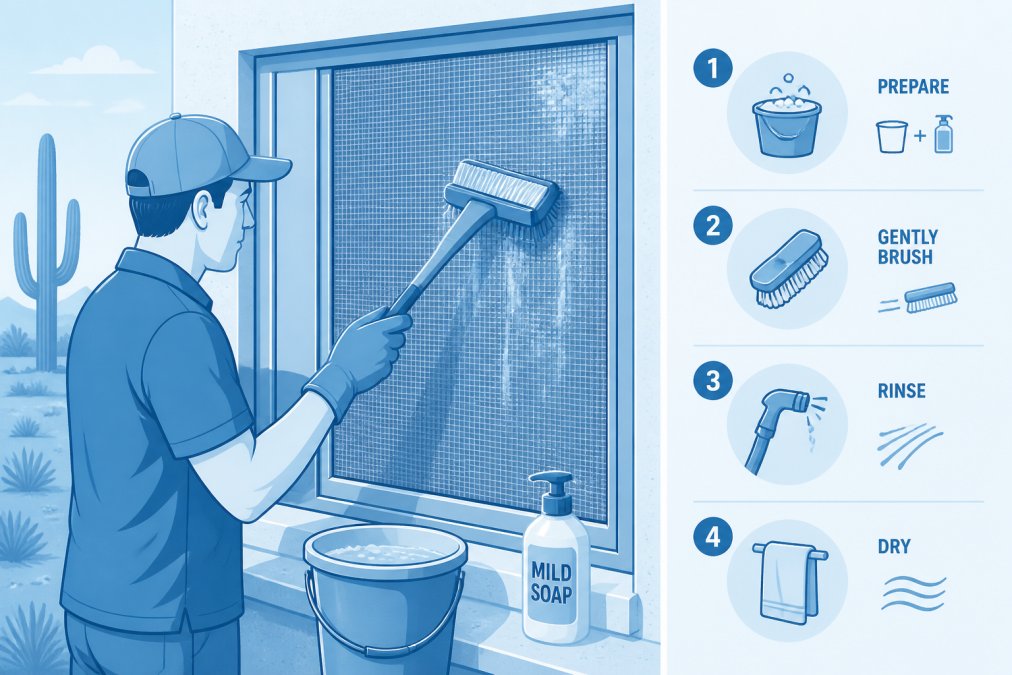
Rinse your screens monthly with a soft brush and mild soap solution. Use only soft materials, never abrasive scrubbers or pressure washers, which can damage the mesh and void your warranty. This simple step prevents buildup that can trap moisture and accelerate degradation.
Inspect your screens quarterly for visible damage, loose fasteners, or areas where the mesh is separating from the frame. Catch small issues early before they become warranty claims. If you notice a small tear, don’t attempt DIY repair, contact your installer.
Check motorized components and hardware seasonally. Ensure moving parts operate smoothly and hardware remains tight. Gently clean around hinges and motorized elements with a dry brush. Lubricate moving parts with silicone-based lubricant if manufacturer guidelines permit.
Document your maintenance with records of cleaning dates, repairs performed, and photos of your screens in good condition. This documentation supports warranty claims by proving you maintained the product properly.
Solar Screen Lifespan: Realistic Expectations and Climate Factors
In ideal conditions with proper maintenance, quality solar screens last 10-15 years. In Arizona’s harsh climate with intense UV exposure, dust storms, and temperature extremes, expect 7-12 years before significant degradation occurs.
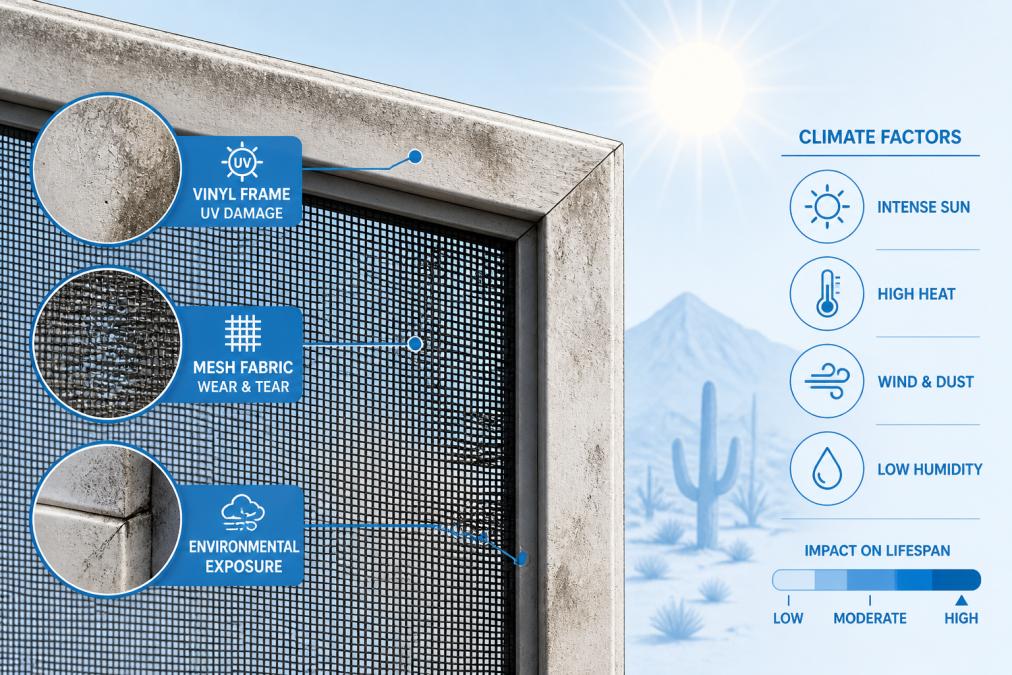
UV degradation is the primary lifespan limiter. The mesh fabric and vinyl components break down under constant sun exposure. You’ll notice the mesh becoming brittle, colors fading, and the fabric losing its original texture. Most manufacturers consider 7-10 years of UV degradation to be within normal lifespan expectations, so warranty claims based purely on UV damage are typically denied.
Heat stress accelerates degradation. Temperatures regularly exceeding 110°F cause vinyl and certain mesh materials to warp and become brittle. Motorized components suffer as well, with lubricants breaking down and seals failing faster at extreme temperatures.
Dust and debris accumulation shortens lifespan if not maintained. Arizona dust is particularly abrasive and can scratch protective coatings, trap moisture against the mesh, and clog moving parts. Screens that receive regular cleaning last noticeably longer than neglected screens.
Material quality matters significantly. Premium mesh materials and vinyl compounds last longer than budget alternatives. Professional installation also extends lifespan because proper tension, alignment, and sealing prevent premature failure.
Filing a Warranty Claim: What You Need to Know
When a defect appears, start by documenting the problem thoroughly with clear photos showing the defect and surrounding area. Contact your original installer or the manufacturer directly with your proof of purchase and warranty documentation ready.
Be prepared for the manufacturer to request the defective screen for inspection. They’ll examine it to determine whether the failure qualifies as a material defect, environmental damage, or user error. This assessment determines whether your claim is approved or denied.
Understand that most warranties cover parts and materials but not labor. Even if your screen is covered, you might pay for removal and reinstallation. Some manufacturers reimburse labor after the fact if the defect is confirmed, but this varies.
The timeline for resolution varies. Simple claims might be resolved in 1-2 weeks. Complex claims requiring inspection can take 4-6 weeks.
Document everything in writing. Email confirmations, take screenshots of online claim submissions, and keep records of all communications. If a claim is denied, written documentation helps if you need to escalate or dispute the decision.
Professional installers like SPARKLE TECH SUN SCREENS handle warranty claims on your behalf, significantly increasing approval rates because we can explain the installation quality and maintenance history from our perspective.
Conclusion
A lifetime guarantee on sun screens provides meaningful protection against manufacturing defects and workmanship failures, but it’s not a guarantee that your screens will never need replacement. The distinction between limited and full lifetime warranties, the specific exclusions in your coverage, and your maintenance responsibilities all determine whether a warranty claim succeeds or fails.
The key to maximizing your warranty protection is understanding what’s actually covered, maintaining your screens according to manufacturer specifications, and choosing professional installation from a reputable provider. SPARKLE TECH SUN SCREENS stands behind our workmanship with a lifetime guarantee on qualifying services, and our team handles warranty claims to ensure you get the coverage you’re entitled to. When you’re ready to invest in solar screens backed by genuine warranty protection, get your free quote and discover the difference professional installation and dependable support can make.
Frequently Asked Questions
What does a limited lifetime warranty actually cover for sun screens?
A limited lifetime warranty on sun screens typically covers material defects and workmanship issues, meaning defects in the vinyl, frame, or installation that occur under normal use. However, it excludes damage from environmental exposure like UV degradation, weather, improper maintenance, or window manufacturer policies that void the warranty. The coverage applies to the original owner and may not transfer. Always review your specific terms and conditions, as coverage varies by manufacturer and installation standards.
How long do solar screens typically last without proper maintenance?
Solar screens can last 5-10 years with regular maintenance, but degradation accelerates in harsh climates with intense sun, heat, and dust exposure. Without maintenance requirements being followed, such as regular cleaning and inspection, the lifespan drops significantly, and you risk voiding your warranty. Environmental exposure, particularly UV degradation of vinyl and fabric durability issues, speeds wear. Professional installation and quality materials extend longevity, but even premium screens require consistent care to reach their full potential lifespan.
What are common reasons a sun screen warranty gets voided?
Warranties are commonly voided by failing to follow maintenance requirements, such as neglecting regular cleaning or allowing debris buildup. Improper installation, DIY repairs without authorization, damage from weather events or accidents, and modifications to the original product also void coverage. Additionally, some window manufacturer policies can void your screen warranty if the window itself has restrictions. Proof of purchase and warranty registration are often required; missing documentation can invalidate claims. Always check your terms and conditions for specific exclusions.
What maintenance do I need to do to keep my solar screen warranty valid?
To maintain your warranty, clean your screens regularly with mild soap and soft brushes to prevent dust and debris buildup. Inspect hardware and fabric for damage quarterly, especially after severe weather. Avoid harsh chemicals or pressure washing, which can damage the fabric and void coverage. Ensure professional installation standards were met during setup. Keep your warranty registration and proof of purchase accessible. Follow the manufacturer's specific maintenance requirements outlined in your terms and conditions, neglecting these is one of the most common reasons warranties are voided.
This article was written using GrandRanker