
Table of Contents
- Why Durable Patio Screens Matter in Extreme Heat
- Best Window Screens for Arizona: Material Selection
- Solar Screen Fabric Durability in Desert Conditions
- DIY vs. Professional Installation: Cost-Benefit Analysis
- How to Maintain Patio Screens in the Desert
- Installation Steps for Custom-Fit Patio Screens
- Common Mistakes to Avoid
- Conclusion
Last Updated: August 22, 2026
Why Durable Patio Screens Matter in Extreme Heat
When temperatures consistently exceed 110 degrees, ordinary window screens fail within months due to thermal stress, intense UV radiation, and abrasive dust (peer-reviewed research). Durable patio screens are essential for homeowners in hot climates. The difference between a screen lasting two years and one lasting a decade comes down to material selection, installation quality, and understanding how extreme heat degrades different fabrics.
Durable patio screens reduce solar heat gain, lower cooling costs, improve airflow, and enhance curb appeal. In extreme climates, they’re a practical investment in comfort and home maintenance.
The lifespan of a patio screen in extreme heat depends almost entirely on material durability and installation quality. A properly installed premium screen can last 10+ years, while a budget option might fail in 2-3 years.
Best Window Screens for Arizona: Material Selection
Choosing the right screen material determines performance and longevity in intense heat. Two main options dominate the market: fiberglass mesh and vinyl-coated polyester.
Fiberglass Mesh vs. Vinyl-Coated Polyester
Fiberglass mesh is the traditional choice and remains popular for good reason. The fibers are inherently resistant to UV degradation and won’t corrode in salty or humid environments. However, fiberglass has a critical weakness: it becomes brittle under sustained extreme heat. Repeated thermal cycling causes micro-fractures in the fibers, and within a few years, the mesh tears easily.
Vinyl-coated polyester represents a more modern approach to durability in extreme climates. The polyester base provides superior tensile strength, while the vinyl coating offers excellent UV protection and heat resistance. The mesh maintains flexibility even at high temperatures and resists tearing from thermal stress or physical impact. The trade-off is cost, vinyl-coated polyester typically runs 30-40% more than standard fiberglass. For homeowners in extreme heat environments, the investment pays back quickly through extended lifespan.
For extreme heat climates, vinyl-coated polyester outperforms fiberglass in longevity, but fiberglass remains acceptable for budget-conscious homeowners willing to replace screens more frequently.
Opacity Levels and Heat Reduction
Screen opacity directly affects solar heat gain and visibility. Opacity is measured in percentages: 80%, 90%, or 95%, indicating how much light the fabric blocks.
An 80% opacity screen blocks 80% of incoming solar radiation while allowing good visibility from inside. A 90% opacity screen provides the sweet spot for most homeowners, balancing heat reduction with natural light. A 95% opacity screen blocks 95% of solar radiation, delivering maximum heat reduction and glare control but substantially limiting outdoor visibility.
Testing shows that 90% opacity screens reduce solar heat gain by approximately 50-60% compared to no screen at all (energy.gov). The choice depends on your priority: maximum cooling efficiency or maintaining outdoor visibility.
Solar Screen Fabric Durability in Desert Conditions
Desert conditions accelerate material degradation through extreme temperature fluctuations, intense UV radiation, low humidity that causes material brittleness, and abrasive dust particles.
UV Resistance and Tensile Strength
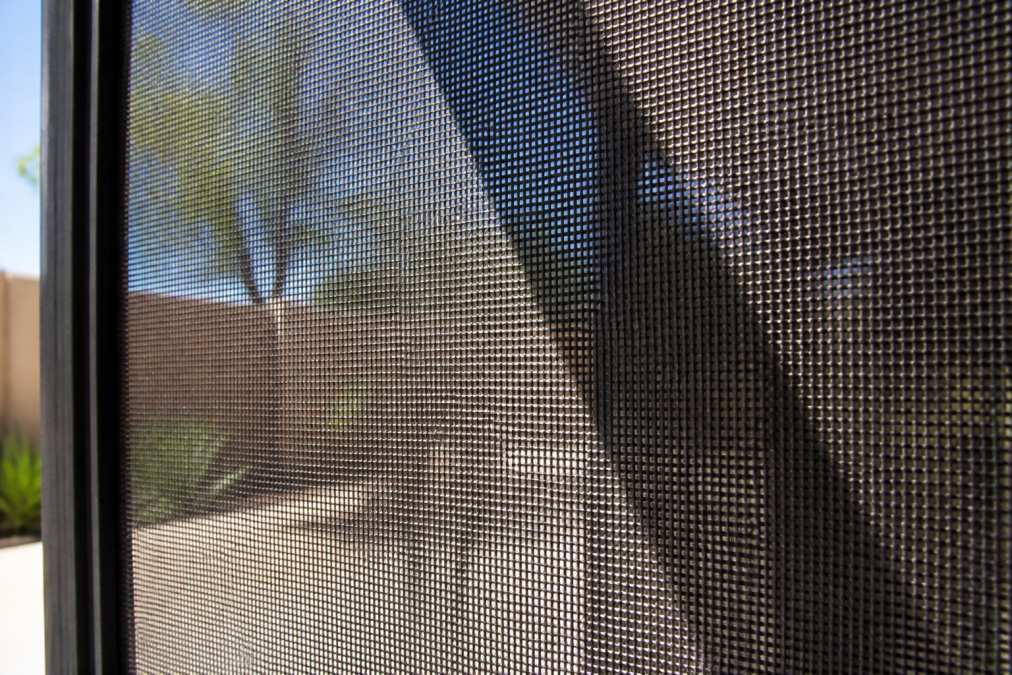
UV radiation breaks molecular bonds in polymers, causing brittleness and strength loss. Standard fiberglass mesh without UV stabilizers degrades noticeably within 18-24 months of intense desert sun exposure (peer-reviewed research).
Vinyl-coated polyester includes UV stabilizers throughout the vinyl coating and polyester base. This dual-layer protection resists UV degradation for significantly longer periods while maintaining flexibility and tensile strength, the ability to resist tearing under stress. When temperatures swing 40+ degrees between day and night, vinyl-coated polyester flexes with thermal changes rather than fracturing like brittle fiberglass.
Longevity Testing and Warranty Coverage
Reputable screen manufacturers conduct accelerated UV testing to predict real-world lifespan. Materials that pass rigorous testing typically perform well for 8-12 years in actual desert conditions.
Warranty coverage reflects manufacturer confidence in durability. Premium providers like SPARKLE TECH SUN SCREENS back their work with lifetime guarantees on qualifying services, indicating confidence that materials and installation will outlast typical homeownership periods. When evaluating warranty terms, look for what’s actually covered, both materials and labor, and whether it covers specific failure points like mesh tears or frame corrosion.
DIY vs. Professional Installation: Cost-Benefit Analysis
DIY installation appeals to cost-conscious homeowners by saving on labor, which typically represents 40-50% of total project cost. However, accurate measurements require precision; even 1/8-inch errors result in poor fit and gaps that let insects and dust through. Installation mistakes compromise durability and allow screens to shift under wind stress.
Professional installation from SPARKLE TECH SUN SCREENS eliminates these risks through precise measurements, custom fabrication, and proper mounting hardware and sealing. Same-week service means your home is protected quickly. While professional installation costs more upfront, the extended lifespan and reliable performance represent genuine value over time.
Consider the cost-per-year calculation: a DIY screen lasting 3 years costs more per year than a professional screen lasting 10 years, even if the initial professional cost is higher.
A common DIY mistake is underestimating how precisely custom screens must fit. Gaps around edges allow dust and insects to bypass the screen entirely, defeating its purpose. Professional installation ensures tight, proper fit that actually protects your home.
How to Maintain Patio Screens in the Desert
Proper maintenance extends screen lifespan and keeps them functioning effectively in desert conditions.
Dust and Debris Removal Strategies
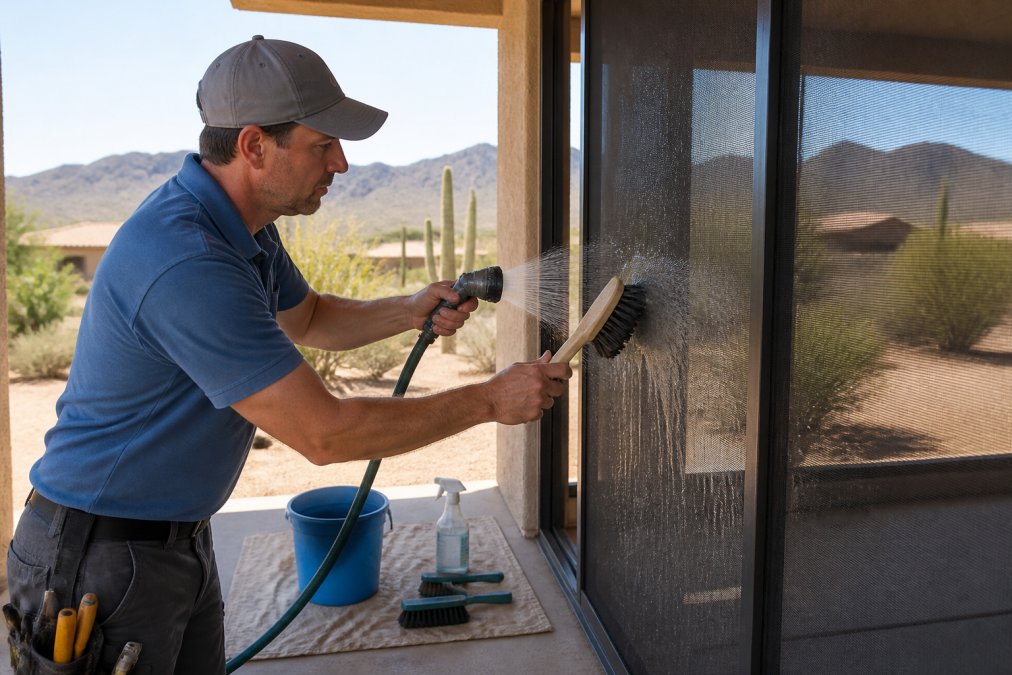
Desert dust accumulates on screens faster than in other climates. Every two weeks during high-dust periods, use a soft brush to gently remove surface dust. For deeper cleaning, rinse the screen with a garden hose on low pressure using only water, avoid harsh chemicals that degrade the vinyl coating or fiberglass. Pay special attention to the frame and corners where dust accumulates most heavily and can trap moisture.
Seasonal Inspection Checklist
Perform a thorough inspection twice yearly: once before summer heat peaks and once before winter.
Spring Inspection:
- Check for tears or punctures in the mesh
- Examine frame corners for corrosion or separation
- Verify all mounting hardware is tight and secure
- Look for gaps between frame and window opening
- Test that screens slide or swing smoothly without binding
Fall Inspection:
- Clean all accumulated dust and debris
- Check frame integrity after months of thermal stress
- Verify seals and weatherstripping are intact
- Inspect for any damage from summer storms or wind
- Test functionality before winter season begins
Early detection of problems prevents small issues from becoming expensive repairs. A small tear can be patched, but if left unattended, it expands and eventually requires full screen replacement.
Installation Steps for Custom-Fit Patio Screens
Professional installation ensures screens fit perfectly and perform reliably.
Step 1: Take Accurate Measurements
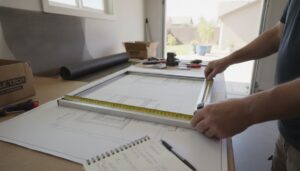
Precision is non-negotiable. Measure the width and height of each window opening at three points: top, middle, and bottom for height; left, middle, and right for width. If measurements vary, use the smallest dimension to ensure the screen fits without gaps. Record whether the opening is square by measuring diagonal corners, they should be equal.
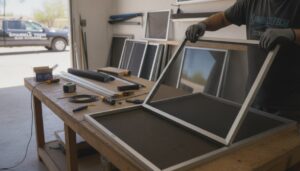
Professional installers use calibrated measuring tools and account for factors DIY measurements often miss: how much the frame needs to overlap for proper sealing and whether the opening has irregularities requiring custom fabrication.
Step 2: Select Frame Material and Screen Type
Aluminum frames are lightweight and corrosion-resistant, ideal for extreme heat environments. Screen type selection depends on your priorities: vinyl-coated polyester for maximum durability in extreme heat, or fiberglass for budget-conscious choices. Opacity level (80%, 90%, or 95%) determines the balance between heat reduction and visibility.
SPARKLE TECH SUN SCREENS offers custom-fit screens built to your exact specifications with premium materials designed to survive Arizona’s harsh climate.
Step 3: Install and Secure Mounting Hardware
Proper hardware installation is critical. Brackets must be mounted securely using appropriate fasteners for your material, stainless steel screws for aluminum frames. Spacing between brackets typically ranges 16-24 inches apart to resist wind stress.
Corner joints must be sealed to prevent dust infiltration. Weatherstripping around the frame perimeter ensures a tight seal that stops insects and debris while allowing airflow.
Common Mistakes to Avoid
Underestimating measurement precision. Screens that don’t fit tightly leave gaps that defeat their purpose. Professional measurement eliminates this risk.
Choosing material based only on upfront cost. A budget screen failing in two years costs more per year than a premium screen lasting ten years.
Neglecting regular maintenance. Dust buildup restricts airflow and traps moisture, accelerating corrosion and material degradation.
Installing screens without proper sealing. Gaps around the frame perimeter allow dust and insects to bypass the screen. Weatherstripping and proper frame overlap are essential.
Ignoring early warning signs. Small tears expand rapidly under thermal stress. Early patching prevents costly replacement.
Choosing the wrong opacity level for your needs. Match opacity to your specific windows and priorities for visibility and heat reduction.
Conclusion
Durable patio screens are an investment in comfort, energy efficiency, and home protection in extreme heat environments. Vinyl-coated polyester outperforms fiberglass in desert conditions because it maintains tensile strength under thermal stress and resists UV degradation. Professional installation ensures screens fit perfectly and function as intended.
Protecting your home from extreme heat, dust, and debris shouldn’t require constant replacement and frustration. SPARKLE TECH SUN SCREENS delivers custom-fit patio screens built from weather-resistant materials designed specifically for Arizona’s harsh climate. Our team provides same-week service, precise custom measurements, and a lifetime guarantee on qualifying installations. Get your free quote today and experience the difference professional screen solutions make for your home’s comfort and durability.
Frequently Asked Questions
What type of screen material is most resistant to intense solar heat?
Vinyl-coated polyester and solar screen fabrics with high tensile strength outperform standard fiberglass in extreme heat. Solar screens block 65-90% of solar heat gain depending on opacity level, while standard fiberglass allows more heat transfer. Vinyl-coated materials resist UV degradation better, maintaining structural integrity through temperature swings common in desert climates. Look for screens rated for UV protection and corrosion resistance when selecting materials for durable patio screens in high-heat environments.
How often should patio screens be replaced in extreme desert climates?
Quality solar screen fabric can last 10-15 years with proper maintenance in desert conditions, while standard screens may fail after 3-5 years. Factors affecting lifespan include material durability, frame integrity, and how well you manage dust and debris. Annual inspections catch damage early. Many professional installations include lifetime guarantees on qualifying services, covering frame defects and material failure. Regular cleaning and seasonal checks extend the life of your durable patio screens significantly.
Can durable patio screens help lower my monthly energy bills?
Yes. Solar screens reduce ambient temperature near windows by blocking 65-95% of solar heat, depending on opacity level. This reduces cooling costs by minimizing heat transfer into your home. Energy savings vary based on screen type, window orientation, and local climate intensity, but homeowners typically see measurable reductions in air conditioning usage during peak heat months. Professional custom-fit installation maximizes efficiency by eliminating gaps that allow heat bypass.
What's the difference between solar screens and standard insect screens?
Solar screens use specialized vinyl-coated polyester or fiberglass mesh designed to block solar heat and UV rays while maintaining airflow. Standard insect screens use thinner fiberglass mesh optimized for visibility and ventilation, offering minimal heat reduction. Solar screens typically have higher opacity levels (80%, 90%, 95%) and greater tensile strength to withstand wind and temperature stress. For extreme heat protection, solar screens are the better choice, though they slightly reduce visibility compared to standard screens.
This article was written using GrandRanker